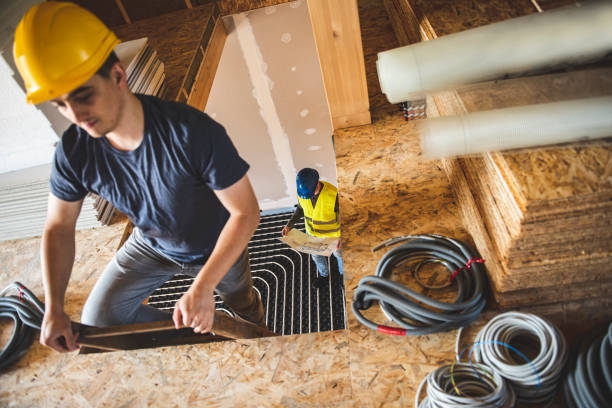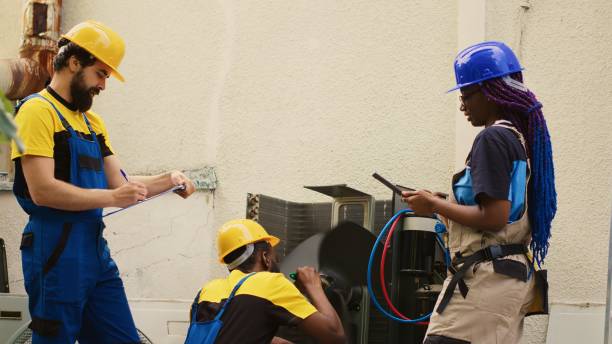
Renovations change how a home looks, but they also change how it behaves. New layouts alter airflow pathways, added windows shift solar heat gain, and upgraded insulation or tighter construction can change humidity patterns. Homeowners often expect comfort to improve automatically after a remodel, yet many comfort complaints begin right after construction is finished: rooms that run warmer than before, drafts near new openings, uneven temperatures between floors, and systems that suddenly seem louder or run longer. These issues don’t always mean the HVAC equipment is failing. Often, the renovation changed the home’s heating and cooling load or disrupted ductwork, returns, or airflow balance. HVAC contractors play a key role in preventing these problems by being involved early, checking how the remodel impacts air distribution, and verifying system performance once the work is complete. When HVAC planning is treated as part of the renovation—not an afterthought—comfort issues are easier to avoid and far less costly to correct later.
Keeping Comfort Consistent After Changes
Why Renovations Trigger New Comfort Problems
Comfort complaints after renovations are common because construction changes the invisible systems that support indoor stability. A remodeled kitchen might include more lighting, appliances, and open space, all of which add heat and alter how air circulates. A new addition increases square footage and exterior exposure, potentially overwhelming an HVAC system sized for the old footprint. Even changes meant to improve efficiency, like better windows or air sealing, can create new comfort surprises by reducing natural air exchange and raising indoor humidity if ventilation is not addressed. Renovations can also introduce imbalance by moving walls, relocating registers, or sealing off return pathways without realizing it. The home may now have rooms that are “farther” from the air handler, with longer duct runs and greater friction losses. Construction debris and dust can also restrict airflow by clogging filters, coating coils, and collecting in ducts, which makes the system feel weaker. HVAC contractors reduce these risks by understanding how renovation scope affects load, airflow, and pressure balance before homeowners experience months of frustration.
Pre-Renovation HVAC Input That Prevents Rework
The most effective way to prevent comfort complaints is to involve an HVAC contractor before walls close and finishes go in. Early input helps align design choices with the home’s existing mechanical reality. Contractors can evaluate whether the current system can accommodate the new layout and whether duct routing will still make sense once beams, soffits, or new cabinetry are installed. They assess return air strategy, since returns are often overlooked during remodels and can easily become blocked by new walls or door placements. Contractors also advise on register placement in open layouts so supply air reaches the perimeter, where heat gain and loss are strongest, rather than short-circuiting back to a nearby return. If the renovation includes an addition, a contractor can determine whether extending existing ductwork will create pressure problems or whether a separate zone or dedicated system would be more stable. Homeowners searching online for terms like “air conditioner repair in Spartanburg, SC” often discover that many “post-renovation failures” stem from planning gaps rather than true equipment breakdowns, which is why early HVAC coordination matters so much.
Managing Duct Changes, Returns, and Airflow Balance
Renovations frequently disturb ductwork, even when the project isn’t focused on mechanical systems. A contractor might move a wall, and a duct run gets rerouted with tighter bends; a ceiling gets dropped for lighting, and a duct gets compressed; a new built-in covers a grille, reducing airflow. HVAC contractors prevent comfort complaints by confirming that duct modifications preserve airflow volume and distribution. They check that new duct routes are sized correctly, supported properly, and sealed to prevent leakage into attics, crawlspaces, or wall cavities. They also verify that return air pathways remain adequate. In many homes, returns were already marginal before renovation, and changes that create more closed rooms can make pressure issues worse. If a bedroom door is shut and there’s no return pathway, supply air can pressurize the room, reducing airflow and causing the space to drift in temperature. Contractors address this through return placement, transfer pathways, and balancing. They also ensure that supply registers are not placed where airflow will be blocked by furniture or where it will create drafts across seating areas. Proper balancing helps each room receive the airflow it needs, which is often the difference between a “beautiful remodel” and an uncomfortable one.
Addressing Building Envelope Shifts and Heat Gain
Renovations change the building envelope, and that directly affects comfort. Adding skylights, expanding window areas, or switching to darker roofing materials can increase heat gain. Removing walls can create large open zones that behave differently from the previous room-by-room layout. Finishing a basement or attic changes how temperature and humidity move through the home and can create unexpected load in spaces that were previously unconditioned. HVAC contractors help by evaluating how these envelope shifts impact heating and cooling demand. They look at insulation continuity, especially around new framing and penetrations where gaps can form. They also consider air sealing because tighter homes can trap moisture and odors if ventilation is not improved. In hot climates, sun exposure on new windows can cause afternoon temperature spikes that the old system never had to handle. In colder climates, additional exterior surface area can increase heat loss, extending runtime and making some rooms feel slow to warm. Contractors may recommend shading, window treatments, improved attic ventilation, or targeted insulation upgrades to reduce the load the HVAC system must carry. This prevents the system from being blamed for comfort issues that are actually caused by design changes.
Ensuring Humidity Control and Ventilation After Remodeling
Humidity problems often emerge after renovations because the home becomes tighter or because moisture sources increase. New bathrooms, larger kitchens, and laundry areas can add moisture load, while improved sealing reduces natural drying. HVAC contractors prevent comfort complaints by verifying that ventilation is adequate and moisture is intentionally managed. They check bathroom fan capacity and ducting to ensure exhaust actually reaches the outdoors rather than dumping into an attic. They look at kitchen ventilation and how cooking heat and moisture are handled, especially in open layouts where the kitchen affects the entire living space. They also confirm that the HVAC system is configured to remove moisture effectively, which includes airflow settings, coil cleanliness, drainage, and runtime behavior. A system that cycles quickly may maintain temperature but leave the air feeling clammy. Contractors may recommend staged or variable-speed operation where appropriate, or suggest supplemental dehumidification in climates with persistent moisture. They also evaluate return air paths because return issues can cause uneven humidity levels between rooms. When humidity and ventilation are addressed alongside temperature, post-renovation comfort becomes far more predictable.
A Post-Renovation Commissioning
After renovation, contractors often perform commissioning steps to confirm the system operates correctly in the new conditions. They check airflow at key registers, verify static pressure, and confirm that supply temperatures are stable during runtime. They inspect filters and coils for construction dust and ensure the condensate drain functions properly. Thermostat placement and programming are reviewed to match the new layout and usage patterns. If zoning is present, damper operation is verified and balance adjustments are made. This final verification helps catch small issues—like blocked grilles or leaky duct joints—before they become ongoing comfort complaints that frustrate homeowners.
Communication, Documentation, and Long-Term Comfort
Preventing comfort problems is not only a technical matter; it also depends on how well the renovation team communicates. HVAC contractors help homeowners by explaining what changed, what the system can realistically deliver, and what adjustments are recommended to match new spaces. If the home now has a sun-heavy room or a larger open zone, the contractor can set expectations and propose solutions that align with the homeowner’s priorities, whether that means zoning, ductwork improvements, shading, or equipment upgrades. Documentation also matters. When contractors record airflow readings, static pressure, and control settings after the renovation, it becomes easier to diagnose future issues because there is a clear baseline. Contractors also encourage homeowners to monitor how the home behaves during peak seasons, since some problems only show up in extreme weather. If the remodel was extensive, a follow-up visit a few weeks after moving into the new space can catch furniture-related airflow blockages or thermostat placement issues that weren’t apparent immediately. This long-term approach reduces repeat service calls and protects the homeowner’s investment by ensuring the renovated space feels as good as it looks.
Renovations Succeed When Comfort Is Planned
Renovations can dramatically improve a home, but comfort doesn’t automatically follow new finishes and layouts. HVAC contractors play a crucial role in preventing post-renovation complaints by evaluating how design changes affect load, airflow, returns, humidity, and ventilation. Early involvement allows duct routes, register placement, and zoning strategy to be built into the project rather than patched in afterward. Post-renovation commissioning confirms that airflow and controls align with the home’s new reality, while cleaning and verification steps protect the system from construction dust and hidden restrictions. When contractors also address envelope changes—like increased sun exposure, altered insulation patterns, and tighter construction—temperature and humidity become easier to manage. The end goal is simple: a renovated home that not only looks updated, but feels comfortable in every room, across every season, without constant thermostat adjustments or lingering frustration.
In addition to ensuring optimal system performance, HVAC contractors play a crucial role in addressing specific regional needs. For instance, in areas like Glenpool, where temperature fluctuations can be significant, having a reliable service for ac repair glenpool is essential. Contractors in these regions are adept at tailoring solutions that not only enhance comfort but also improve energy efficiency. By conducting thorough assessments and implementing targeted upgrades, they help homeowners avoid common pitfalls that lead to discomfort. This proactive approach not only prevents future complaints but also extends the lifespan of HVAC systems, ensuring a seamless transition post-renovation.
In addition to ensuring optimal system performance, HVAC contractors play a crucial role in educating homeowners about maintenance practices that can prevent future issues. By offering guidance on filter changes, thermostat settings, and seasonal check-ups, they empower residents to maintain a comfortable environment year-round. For those seeking expert advice or services, consider stopping by to learn more about our offerings. Visit our Fort Pierce location to discuss your specific needs with our knowledgeable team, who are always ready to provide tailored solutions. This proactive approach not only enhances comfort but also extends the lifespan of HVAC systems, ultimately leading to greater satisfaction and fewer complaints post-renovation.
Maintaining optimal airflow is just as critical as system capacity when redesigning interior spaces. Even minor structural shifts can inadvertently obstruct returns or strain existing ductwork, leading to persistent hot spots that frustrate residents. By consulting with a qualified HVAC contractor in Texarkana, homeowners can identify these subtle pressure imbalances before they compromise the integrity of the renovation. These professionals evaluate whether the current equipment can handle the altered volume of air or if specialized balancing is required. Addressing these technical details early prevents the need for invasive corrections later, ensuring the final living space remains consistently comfortable and energy-efficient throughout every season of the year.