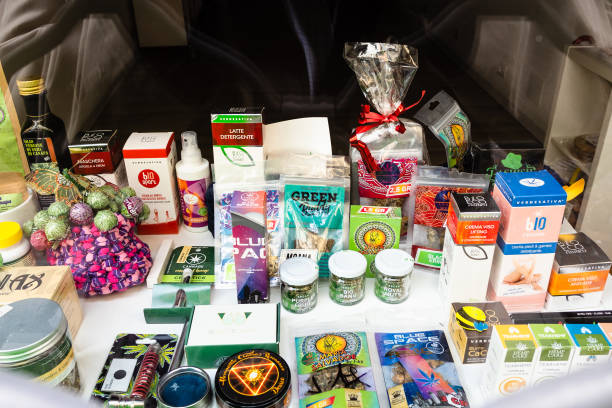
In the cannabis industry, where shelf space is contested and consumer loyalty is hard-won, packaging has evolved from a functional necessity into a strategic brand asset. Pre-roll packaging, in particular, serves as the first tangible interaction between a brand and its customer—a moment that can either build trust or fade into obscurity.
As legalization expands and competition intensifies, the role of packaging extends far beyond product protection. It communicates a brand’s values, signals quality, and differentiates one product from dozens of similar offerings. This article examines how thoughtful pre-roll packaging strengthens brand identity, exploring custom design strategies, sustainable material choices, and the regulatory frameworks that shape the industry.
Why Packaging Is the Silent Brand Ambassador
Pre-roll packaging is often the first—and sometimes only—chance a brand has to make an impression. In dispensaries crowded with options, packaging functions as a visual shorthand for what a brand represents.
Here’s how packaging influences brand perception:
- Immediate Recognition: Distinctive design elements—color palettes, typography, structural form—help consumers identify and remember a brand across repeat purchases.
- Perceived Quality: Premium materials and thoughtful construction signal product integrity, encouraging consumers to associate the brand with reliability and care.
- Emotional Connection: Packaging that reflects a brand’s ethos—whether that’s wellness, rebellion, or sustainability—creates alignment with consumer values and fosters loyalty.
Successful cannabis brands understand that packaging is not decoration; it’s a strategic tool. Brands that invest in cohesive visual identity and tactile experience often see stronger customer retention and word-of-mouth growth.
Custom Pre-Roll Packaging as a Differentiation Strategy
In a market where product formulations can be similar, custom packaging offers a clear path to differentiation. Custom pre-roll packaging allows brands to translate their identity into physical form, creating a sensory experience that reinforces brand messaging at every touchpoint.
Key elements of effective custom packaging include:
- Brand Alignment: Packaging should visually and texturally reflect the brand’s core values—whether that’s artisanal craft, clinical precision, or accessible wellness.
- Structural Innovation: Unique tube shapes, magnetic closures, or modular designs can enhance usability while creating memorable unboxing moments.
- Storytelling Through Design: Illustrations, embossing, and material choices can communicate origin stories, cultivation methods, or brand philosophy without a single word.
Current design trends emphasize minimalism, bold typography, and earthy color palettes that signal authenticity. Brands are also experimenting with textured finishes and sustainable inks to create tactile distinction.
Sustainable Packaging as Brand Positioning
Environmental responsibility has shifted from niche concern to mainstream expectation. A McKinsey study found that consumers increasingly prioritize sustainability in purchasing decisions, and the cannabis industry is no exception. Brands that adopt sustainable pre-roll packaging not only reduce environmental impact but also strengthen their market position among eco-conscious consumers.
Sustainable packaging options include:
- Plant-Based Materials: Hemp plastic, bamboo, and mycelium-based composites offer biodegradability without sacrificing durability.
- Recycled Content: Post-consumer recycled paper and ocean-bound plastic demonstrate circular economy principles.
- Minimalist Design: Reducing packaging size and eliminating unnecessary components cuts waste while lowering shipping costs.
- Refillable Systems: Reusable tubes and containers encourage repeat engagement and reduce single-use waste.
Beyond environmental benefits, sustainable packaging serves as a brand differentiator. It signals forward-thinking values and appeals to a demographic that views consumption choices as expressions of personal ethics. Brands that communicate their sustainability efforts transparently—through certifications, material sourcing details, and lifecycle impact data—build deeper trust with their audience.
Navigating Legal Requirements for Pre-Roll Packaging
Compliance is non-negotiable in the cannabis industry, where regulatory frameworks vary significantly by jurisdiction. Pre-roll packaging with labels must meet strict standards designed to protect consumers, particularly minors, and ensure product transparency.
Core regulatory requirements typically include:
- Child-Resistant Packaging: Containers must meet CPSC standards to prevent accidental access by children under five.
- Tamper-Evident Seals: Packaging must clearly indicate if a product has been opened or compromised.
- Mandatory Label Information: Labels must display THC and CBD content, net weight, batch numbers, testing lab details, and health warnings in specified font sizes and placements.
- Opaque or Obscured Packaging: Many jurisdictions require that products not be visible from outside the package.
- Prohibited Claims: Packaging cannot make health claims, appeal to minors, or resemble mainstream consumer goods.
Regulations differ by state and country, making it essential for brands to stay current with local requirements.
Non-compliance carries serious consequences, including product recalls, fines, and license suspension. Brands that integrate compliance into their design process from the outset—rather than treating it as an afterthought—avoid costly redesigns and maintain consumer trust.
Building Brand Equity Through Packaging Consistency
Brand identity is built through repetition and consistency. Every package a consumer encounters should reinforce the same visual language, quality standards, and brand promise. This consistency creates familiarity, which in turn builds trust and preference.
Effective packaging systems maintain consistency across:
- Visual Identity: Logos, color schemes, and typography should remain uniform across product lines while allowing for variation that signals different strains or potencies.
- Material Quality: Consistent use of premium or sustainable materials reinforces brand positioning and sets quality expectations.
- User Experience: Opening mechanisms, information hierarchy, and tactile details should feel cohesive across all touchpoints.
Brands that maintain this consistency while allowing room for creative evolution—seasonal designs, limited editions, collaborations—keep their identity fresh without diluting recognition.
Suppliers offering cannabis packaging with consistent material quality and customizable visual identity systems include Sana Packaging, Calyx Containers, and options through Kush Supply Co. Confirming whether a supplier can maintain material consistency across product lines—same sustainable substrates for different package sizes and formats—ensures brand positioning remains cohesive as your product range expands.
Elevating Your Brand Through Strategic Packaging Decisions
Pre-roll packaging is far more than a container—it’s a brand statement, a compliance tool, and a consumer touchpoint rolled into one. In a market where differentiation is increasingly difficult, packaging offers a tangible way to communicate values, build recognition, and create lasting impressions.
Brands that approach packaging strategically—investing in custom design, prioritizing sustainability, and maintaining rigorous compliance—position themselves for long-term success. Whether you’re launching a new product line or refreshing an existing brand, thoughtful packaging decisions can elevate your market presence and deepen consumer relationships.
For brands ready to take their packaging to the next level, consulting with specialists in sustainable materials and cannabis-specific design can unlock new opportunities for differentiation and growth.