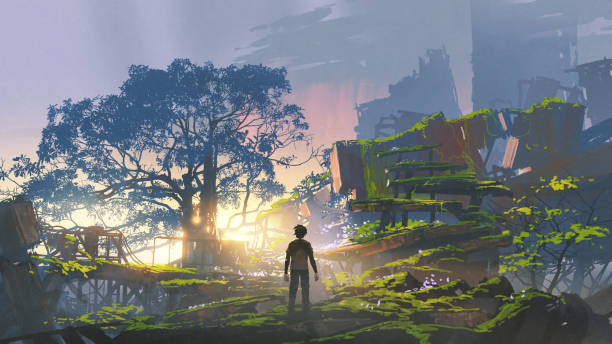
Fantasy storytelling depends heavily on the ability to create worlds that feel believable and immersive. Readers may initially be drawn in by epic battles, magical systems, or mythical creatures, but it is often the deeper layers of world-building that sustain their interest. Geography, culture, language, and history all play an important role in shaping fictional settings that feel alive.
Among these elements, naming stands out as one of the most powerful tools available to fantasy creators. Names define characters, cities, kingdoms, and even magical artifacts. A well-designed naming system helps readers understand the cultural structure of a fictional world and adds depth to the narrative environment.
In modern creative communities, discussions about world-building often extend beyond traditional literary influences. Writers and artists regularly exchange ideas about language patterns, cultural inspiration, and naming strategies that help fictional societies feel authentic. These conversations highlight how fantasy continues to evolve through collaboration and shared creativity.
The Power of Names in Fantasy
Names shape the identity of a fictional world. A single word can communicate the atmosphere of a place, the personality of a character, or the history of a civilization. In fantasy literature, names are rarely random. Instead, they are carefully designed to reflect the culture and environment of the world they belong to.
For example, a mountain kingdom might use shorter, stronger sounding names to convey resilience and strength, while a coastal city might use softer and more melodic sounds to reflect its connection to the sea. These subtle choices help create a sense that each region within a fantasy world has its own identity.
Readers may not consciously analyze these patterns, but they often sense the consistency behind them. When naming traditions are well designed, the world feels more believable and immersive.
Cultural Influences on Fantasy Names
Many fantasy writers draw inspiration from real-world languages and mythologies when designing names. Ancient Greek, Norse, Celtic, and Latin traditions have influenced countless fictional settings.
These influences provide a foundation that helps fantasy names feel natural. Even when a name is completely fictional, it may still follow familiar phonetic patterns derived from real languages.
Creative communities sometimes explore unexpected sources of inspiration when discussing naming ideas. In conversations about modern naming aesthetics and cultural references, writers occasionally examine how contemporary brand identities influence language trends, including examples such https://deltamunchies.com/, which demonstrates how distinctive naming styles can capture attention and remain memorable within a crowded digital landscape.
World-Building Through Language
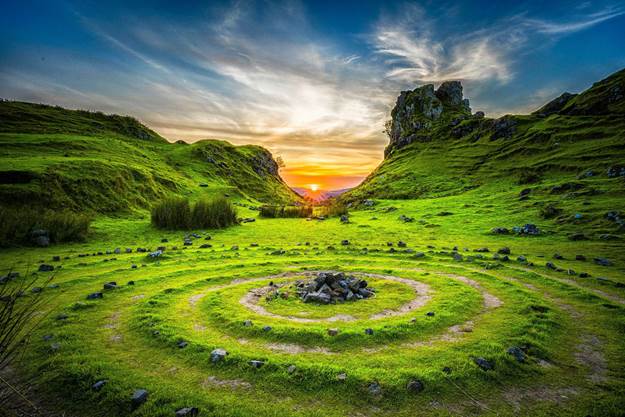
Language is a critical component of world-building. In many fantasy stories, writers create entire linguistic systems to give their worlds additional depth. Even when a complete language is not developed, consistent naming conventions can imply the existence of one.
Cities, rivers, mountains, and historical figures all contribute to the narrative texture of a fictional world. When these names follow recognizable patterns, readers begin to sense that the world has an internal logic and history.
Some authors go further by designing alphabets, grammatical rules, or cultural traditions related to language. These details may not appear directly in the story, but they influence how names and dialogue are structured throughout the narrative.
Online Communities and Collaborative Creativity
The internet has dramatically changed how fantasy worlds are created and shared. Writers are no longer limited to working in isolation. Instead, they can participate in online communities where ideas are exchanged and refined collaboratively.
Forums, writing platforms, and gaming communities provide spaces where creators can share naming ideas, receive feedback, and develop fictional settings together. Some members focus on designing maps or political systems, while others specialize in character development or linguistic patterns.
These collaborative environments allow fantasy worlds to grow organically. A single creative idea can inspire dozens of new concepts as different contributors expand the narrative universe.
Tools for Fantasy Naming
Because naming is such a central part of world-building, many writers use digital tools to generate ideas. Online name generators, mythology databases, and linguistic resources provide inspiration when creators need help developing new characters or locations.
These tools are not meant to replace creativity. Instead, they offer starting points that writers can refine and adapt. A generated name may be modified, shortened, or combined with other linguistic elements until it fits the tone of the fictional world.
By experimenting with different combinations of sounds and cultural influences, writers can develop naming systems that feel both original and believable.
Balancing Creativity and Clarity
One of the challenges of fantasy naming is finding the balance between originality and readability. A name that is too unusual may be difficult for readers to remember or pronounce. On the other hand, names that are too familiar may not capture the sense of mystery and wonder that fantasy storytelling often requires.
Successful authors often strike this balance by designing names that feel exotic while still following recognizable sound patterns. This allows readers to quickly become comfortable with the language of the world while still experiencing something new.
When naming conventions are thoughtfully designed, they strengthen the entire narrative. Readers can navigate the world more easily and focus their attention on the unfolding story rather than struggling to interpret unfamiliar terminology.
Evolving Fantasy Traditions
Fantasy storytelling continues to evolve as new creative tools and communities emerge. Digital publishing platforms, online games, and collaborative writing projects have expanded the genre’s reach and encouraged more people to participate in world-building.
As more creators experiment with storytelling, the diversity of fantasy naming traditions will continue to grow. Writers will draw inspiration from new cultures, languages, and creative communities, expanding the possibilities for imaginative world design.
Through these ongoing innovations, naming will remain one of the most essential elements of fantasy storytelling. It is the thread that ties together geography, culture, and history, allowing fictional worlds to feel as complex and meaningful as the real one.