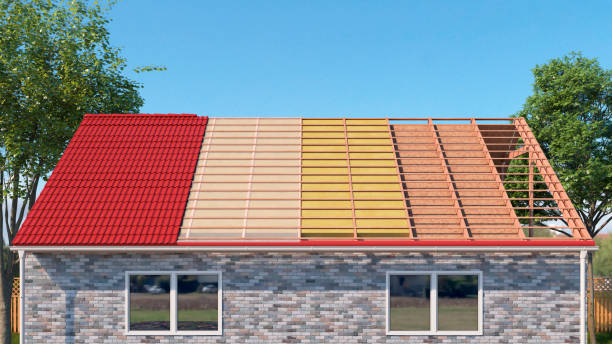
Roof color directly influences how much solar heat a home absorbs during the day, and that effect is often most noticeable in the attic. While many homeowners choose roofing colors based on curb appeal, contractors and building professionals also consider how color affects indoor heat buildup, ventilation needs, and seasonal energy strain. A darker roof can absorb more radiant energy, while a lighter surface can reflect more sunlight away from the structure. That difference does not act alone, but it can shape attic conditions in ways that affect comfort, insulation performance, and the workload placed on cooling systems throughout warmer months.
What Happens Next
- Why Surface Color Changes Heat Gain
The color of a roof influences attic temperature because the outer roofing surface is the first major barrier exposed to direct sunlight. When darker roofing materials are used, they generally absorb more solar radiation and transfer a larger portion of that heat into the roof assembly. As the sun remains overhead for hours, the heat it absorbs can build steadily, raising the temperature of the attic below. Lighter roof colors tend to reflect more of the incoming sunlight, which can reduce the amount of heat that travels downward into the structure. That does not mean a light-colored roof automatically solves all attic temperature problems, but it can reduce one of the major sources of heat accumulation. The effect is more pronounced in regions with long, bright summers, where roof surfaces receive intense sunlight for much of the day. Attic spaces often respond quickly to this exposure because they sit directly beneath the roof deck, and once heat becomes trapped there, it can linger well into the evening. This is why roof color is often discussed not only as a design choice but also as a building-performance factor that influences how hot the upper portions of a home become during seasonal heat.
- Attic Conditions Depend on More Than Color
Although roof color matters, attic temperature regulation is shaped by a combination of factors that determine whether absorbed heat remains trapped or is managed effectively. Ventilation, insulation depth, roof material type, attic sealing, and local climate all influence how strongly color affects overall performance. A dark roof on a well-ventilated home with strong insulation may create fewer indoor comfort issues than a lighter roof installed on a house with blocked soffit vents, weak attic airflow, and poor thermal separation from the living space below. Still, color can tilt the balance. In warmer coastal environments such as Largo, FL, roof color choices often become more important because prolonged sunlight and humidity can intensify attic heat buildup. When the attic becomes excessively hot, that heat can radiate downward, raise ceiling temperatures, and increase the cooling demand placed on the house. Contractors often find that homeowners focus on the thermostat when the larger issue begins above the insulation line. The relationship between roof color and attic temperature is therefore not isolated. It interacts with the entire roof system, influencing whether the attic releases heat efficiently or continues to collect it during the hottest parts of the day.
- How Roof Color Affects Cooling Demand
Attic temperatures matter because they influence how much heat is transferred to the conditioned space below. When the attic becomes extremely hot, the ceiling assembly must resist stronger heat transfer, and the air conditioning system may have to run longer to maintain a stable indoor temperature. This does not mean roof color alone determines utility bills, but it can change the background conditions the cooling system faces every day. A darker roof may contribute to higher attic temperatures during peak sun exposure, especially when paired with limited ventilation or aging insulation. Over time, that added heat burden can create warmer second floors, more noticeable afternoon discomfort, and longer cooling cycles. In homes with ductwork routed through the attic, the effect can be even more pronounced because supply ducts are then surrounded by hotter air, increasing the chance of energy loss before cooled air reaches the rooms below. Lighter roofing colors may help reduce some of that thermal stress by lowering roof surface temperatures and softening the intensity of attic heat gain. This is one reason why roof color is often considered during reroofing projects tied to energy performance goals. It can support broader efforts to reduce heat buildup, reduce system strain, and improve warm-weather comfort without changing the home’s footprint.
Looking at the Roof as a System
Roof color selection has a meaningful effect on attic temperature regulation because it changes how much solar energy the roof absorbs before that heat moves into the structure. Darker surfaces tend to collect more heat, while lighter ones can reduce some of that load, especially during long periods of strong sun exposure. Even so, the real outcome depends on how color works with ventilation, insulation, duct location, and roof design. When homeowners view roof color as part of the entire thermal system, they make more informed choices about comfort and energy performance. A visually appealing roof matters, but its role in attic heat behavior can shape the home long after installation is complete.
Choosing the right materials involves understanding how different surfaces interact with solar radiation throughout the day. While lighter shades are known for reflecting heat, the structural integrity of the installation also plays a vital role in long-term efficiency. Homeowners can find more about Three Tree Roofing Kent office to see how professional oversight helps in selecting durable options that withstand varying environmental pressures. By focusing on high-quality ventilation alongside color selection, the thermal load on a building remains manageable even during peak summer months. This balanced approach not only preserves the lifespan of the shingles but also contributes significantly to a more sustainable and cost-effective home energy profile.
Choosing the right shingle shade is more than just an aesthetic decision; it directly influences how much solar heat your home absorbs throughout the day. While lighter colors reflect a significant portion of the sun’s rays, darker materials tend to soak up thermal energy, potentially increasing indoor cooling costs during the summer. Homeowners often consult experts in Roofing Everett to determine which specific materials and hues offer the best balance between long-term durability and energy efficiency for the local climate. By understanding these thermal dynamics, you can select a roofing system that keeps your attic cooler and reduces the strain on your air conditioning unit.