Short cycling is one of the clearest signs that a heating or cooling system is operating out of balance. Instead of completing steady, productive runs, the equipment turns on, shuts off too soon, and starts again before the home has reached a stable level of comfort. This repeated interruption affects temperature control, indoor humidity, energy use, and the long-term life of components. Homeowners often notice rooms that never feel settled, utility bills that rise without explanation, and equipment that seems busy yet delivers no lasting results. Diagnosing the cause requires looking at controls, airflow, refrigerant conditions, safety limits, and equipment sizing together rather than blaming one part too quickly.
What the rest reveals
- Thermostat Signals and Equipment Sizing Shape Cycle Length
One of the first steps in diagnosing short cycling is determining whether the system is being told to shut down too early or whether it is forcing itself off because something inside the equipment is wrong. The thermostat plays a major role in this process. If it is located near a sunny window, close to a supply register, or in a hallway that warms or cools faster than the rest of the home, it may satisfy too quickly, stopping the cycle before other rooms catch up. Wiring faults, calibration drift, or incorrect anticipator and staging settings can create similar problems. Equipment sizing also comes into play early in the diagnosis because an oversized furnace or air conditioner can change room temperature too rapidly, leading to frequent on-and-off operation. That pattern may seem efficient at first, but it usually prevents even comfort and places added stress on motors, relays, and compressors. Technicians compare thermostat readings with actual room conditions, review the placement of the control device, and examine whether the installed system matches the house’s load demands. When a unit is too large for the space, short cycling often first appears as a comfort issue and later as a wear issue. The system reaches the thermostat target quickly, but the rest of the house remains uneven, and repeated starts begin to wear down components designed for longer, steadier run times.
- Airflow Restrictions Can Trigger Protective Shutdowns
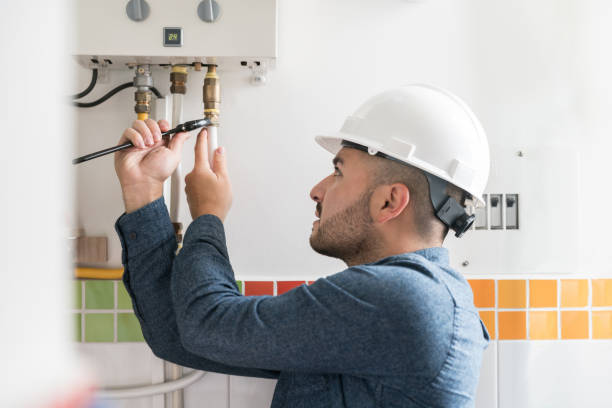
Short cycling is often tied to airflow problems that cause equipment temperatures or pressures to rise beyond normal limits. In heating mode, a furnace may shut down early because restricted airflow causes internal temperatures to climb too quickly, activating a high-limit safety control. Dirty filters, blocked return grilles, undersized ductwork, closed dampers, collapsed flex runs, and blower issues can all contribute to that condition. In cooling mode, low airflow can reduce heat transfer across the evaporator coil, create freezing conditions, and distort pressure relationships to the point of interrupting normal operation. Diagnosing these problems requires more than noticing weak air at a vent. Static pressure measurements, blower inspection, filter resistance checks, and temperature-rise testing help reveal whether the system is moving the amount of air it was designed to handle. Many homeowners first seek a Furnace repair service after noticing the unit starts normally but turns off before the house feels warm enough, only to restart shortly later. That pattern often points to airflow-related shutdown rather than a failure to produce heat. By checking the return and supply sides together, technicians can determine whether the short cycling is a protective response to restricted flow through the system. Once airflow problems are corrected, the equipment often settles into longer, more productive cycles, which improve comfort and reduce repeated strain on internal parts.
- Refrigerant, Pressure, and Coil Conditions Affect Cooling Cycles
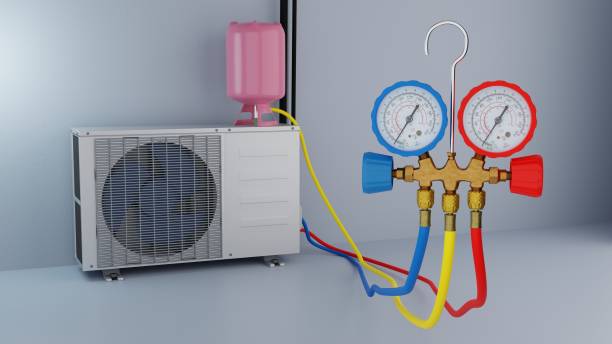
In air conditioning systems, short cycling can be closely tied to the refrigerant charge, coil condition, and how heat is rejected or absorbed during operation. If refrigerant levels are too low, the system may experience abnormal pressure behavior and evaporator freezing, which can interrupt normal cooling. If the charge is too high, pressure can rise to the point where protective devices begin shutting the system down to prevent damage. Dirty condenser coils, failing outdoor fan motors, and blocked coil surfaces can create similar pressure problems by trapping heat that should be released outdoors. Diagnosing this type of short cycling involves checking suction and discharge pressures, measuring temperature split, inspecting coil cleanliness, and observing how the equipment behaves over a full operating cycle rather than only during startup. Technicians also check whether the compressor is overheating or whether a low- or high-pressure switch opens under load. These conditions can make the system appear unpredictable because it may run normally for a few minutes before shutting down abruptly. In houses where cooling complaints come and go, the root issue may not be the thermostat at all but a refrigeration-side imbalance that only becomes obvious after the unit has been operating long enough for pressure and temperature conditions to shift. Careful testing helps separate control issues from refrigeration faults and prevents unnecessary part replacement.
Whole-System Diagnosis Leads to Lasting Correction
The most useful way to diagnose short cycling in heating and cooling systems is to treat it as a system behavior rather than a single-part complaint. Thermostat location, equipment sizing, airflow restriction, refrigerant imbalance, electrical weakness, and safety control response can all create the same visible symptom: a unit that turns off before it should. The challenge is identifying why it is stopping and what condition is causing the repeated restart pattern. When cycle length, temperature response, airflow readings, pressure measurements, and electrical performance are evaluated together, the cause becomes clearer. That full-system approach leads to steadier operation, more consistent comfort, and fewer repeat shutdowns during demanding weather conditions.
Short cycling is more than a simple annoyance; it represents a significant mechanical strain that can drastically shorten the lifespan of your unit. Each time the system restarts, critical components like the compressor and blower motor are subjected to high-energy surges that lead to premature wear. Seeking a professional evaluation from Turtley Awesome Cooling & Heating of Melbourne can help identify whether these rapid bursts are caused by minor airflow restrictions or more complex electrical malfunctions. By addressing these symptoms early, homeowners avoid the cascading costs of a total system breakdown. Maintaining a consistent operational rhythm ensures that every part of the infrastructure functions at its intended efficiency level.
Ignoring short cycling can lead to more than just minor temperature fluctuations; it often results in premature component failure. When a system frequently stops and starts, the compressor and blower motor experience significant mechanical stress that shortens their operational lifespan. Homeowners frequently looking for reliable hvac cleburne solutions find that consistent maintenance is the best defense against these rapid cycles. Beyond mechanical wear, the lack of a full runtime prevents the evaporator coils from effectively pulling moisture out of the air. This failure in dehumidification leaves indoor spaces feeling damp and heavy, even if the thermometer indicates that the desired temperature has been reached.
Persistent short cycling often indicates deeper mechanical issues that require a systematic diagnostic approach to resolve. While homeowners can easily swap out a dirty filter, internal component failures like a faulty limit switch or a malfunctioning flame sensor often necessitate more specialized technical intervention. Homeowners who suspect their system is struggling may research local expertise for furnace repair puyallup to ensure that sensitive heat exchangers and complex electrical control boards are evaluated correctly. Addressing these symptoms early prevents the cascading damage that occurs when a unit repeatedly overheats and restarts. This proactive maintenance not only restores consistent indoor temperatures but also protects the significant financial investment represented by a home’s central heating and cooling infrastructure.
Short cycling often stems from complex issues like refrigerant imbalances or electrical malfunctions that require specialized tools to identify accurately. While some homeowners attempt basic troubleshooting like changing filters, persistent rapid cycling usually signals deeper mechanical distress that could lead to compressor failure. Identifying qualified hvac near me experts ensures that these technical nuances are handled safely and that the system is restored to its manufacturer’s specifications. Professional diagnostics can differentiate between a simple sensor calibration error and a more severe internal pressure drop. Taking this proactive step protects your long-term investment by preventing the cumulative wear and tear that leads to premature system replacement and skyrocketing utility costs.