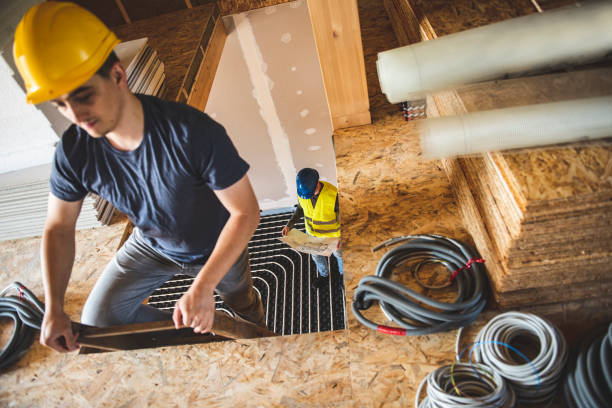
Property rehabilitation is more than just fixing what is broken—it is about reimagining what already exists and unlocking hidden value in structures that many might consider outdated or beyond saving. In today’s real estate landscape, where land and construction costs continue to rise, rehabilitating existing properties has become a practical and profitable strategy for homeowners, developers, and investors alike.
Understanding Property Rehabilitation
At its core, property rehabilitation refers to the process of restoring, improving, or repurposing an existing building to extend its usable life and increase its value. Unlike new construction, rehabilitation works within the constraints of what already exists, often requiring creative solutions to modernize old layouts, repair structural issues, and upgrade outdated systems.
This approach can apply to residential homes, commercial buildings, and even large multifamily developments. In many cases, older properties are located in established neighborhoods, making them even more attractive once they are updated.
Why Rehabilitation Makes Sense
One of the biggest advantages of rehabilitating an existing property is cost efficiency. Purchasing and restoring a building is often cheaper than buying land and constructing from scratch. In addition, older properties frequently come with architectural charm and prime locations that are difficult to replicate in new developments.
Rehabilitation also supports sustainability. By reusing existing structures, developers reduce construction waste and lower the environmental impact associated with demolition and new builds. This makes it an increasingly popular choice in eco-conscious development strategies.
From an investment perspective, rehabilitation can significantly increase property value when done correctly. Strategic upgrades such as modernized kitchens, improved insulation, and structural reinforcement can turn a neglected property into a high-performing asset.
Planning a Successful Rehabilitation Project
Successful property rehabilitation begins with thorough planning. A detailed inspection is essential to assess the building’s structural integrity, electrical systems, plumbing, and foundation. This helps identify whether the project is a light renovation or a full-scale structural overhaul.
Budgeting is another critical step. Costs can escalate quickly if unexpected issues arise, such as hidden water damage or outdated wiring. Investors often secure financing options early, including programs like the FHA multifamily loan, which can support larger residential rehabilitation projects.
Once the financial and structural assessments are complete, the design phase begins. This is where functionality meets creativity. The goal is to preserve the property’s strengths while introducing modern features that meet current market expectations.
Common Challenges in Property Rehabilitation
While rewarding, rehabilitation projects are not without challenges. One of the most common issues is uncovering hidden damage during construction. Older properties may have outdated materials or non-compliant building systems that require costly upgrades.
Permitting and regulatory compliance can also slow down progress. Many municipalities have strict codes for renovating older buildings, especially those with historical significance. Navigating these requirements requires patience and proper documentation.
Another challenge is maintaining a balance between preserving character and modernizing the space. Over-renovation can strip a property of its original charm, while under-renovation may leave it outdated and less competitive in the market.
Strategies for Maximizing Value
To maximize returns, investors should focus on upgrades that deliver the highest impact. Kitchens and bathrooms typically offer the best return on investment, followed by energy-efficient improvements such as new windows, insulation, and HVAC systems.
Curb appeal also plays a significant role. Exterior enhancements like landscaping, fresh paint, and façade restoration can dramatically improve first impressions and increase market value.
For larger projects, converting underutilized spaces into additional living units can significantly boost rental income and property value.
The Future of Property Rehabilitation
As urban areas continue to grow and available land becomes scarce, property rehabilitation is expected to play an even bigger role in real estate development. It offers a sustainable, cost-effective, and creative solution for meeting housing and commercial space demands.
More investors are recognizing that value is not always found in new construction, but often hidden within existing structures waiting to be revived.
In Conclusion
Property rehabilitation is both an art and a science. It requires vision, planning, and careful execution, but the rewards can be substantial. By breathing new life into old spaces, investors and developers not only preserve architectural history but also create functional, modern environments that serve today’s needs.