Static pressure imbalance happens when the duct system pushes or pulls air unevenly, making some rooms loud, drafty, or difficult to heat and cool. Homeowners may notice whistling returns, doors that slam or stick, weak airflow at distant registers, or a system that runs long cycles without stabilizing temperatures. These symptoms are often blamed on equipment, yet the root cause can lie in duct sizing, restrictions, leaks, or return pathways that do not meet the blower’s needs. HVAC contractors diagnose static pressure imbalance by measuring pressure at key points, comparing supply and return resistance, and identifying components or duct sections that create excessive friction. The goal is to restore balanced airflow so the blower operates within safe limits and each room receives a more consistent share of conditioned air.
What contractors measure and compare
- Understanding where the imbalance begins
Contractors start by defining the type of imbalance present. Some homes have high total static pressure, meaning the system is fighting resistance overall, while others have a lopsided split where the return side is too restrictive, or the supply side is too restrictive. They ask about comfort patterns, noise, and whether issues worsen when doors are closed, which can suggest problems with the return pathway. They also inspect filters, coils, and grilles because clogged filters and dirty evaporator coils can quickly increase resistance and mimic symptoms of duct design flaws. Before taking readings, contractors verify blower settings and confirm the system type, since variable-speed blowers may hide problems by ramping up to overcome resistance, increasing noise and energy use. This early evaluation matters because static pressure is not a single number without context. It must be interpreted alongside airflow requirements, duct layout, and how the home is used day to day, including door positions and furniture placement that can block returns or supplies.
- Taking pressure readings at consistent test points
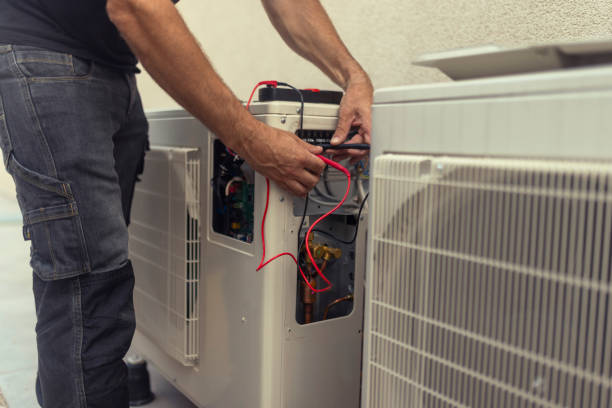
To diagnose an imbalance, contractors measure pressure in the supply and return plenums near the air handler, then calculate the total external static pressure by combining those readings. They use proper test ports so the measurements reflect system conditions rather than turbulence near a blower wheel. They also measure pressure drop across individual components, such as the filter, coil, and any accessories, such as media cabinets or UV racks, to identify where resistance is concentrated. A large pressure drop across the filter suggests a restrictive filter or an undersized filter grille, while a high drop across the coil suggests dirt buildup, a blocked coil face, or icing history. A HVAC Contractor serving homeowners in Placerville, CA may use these component drops to explain why airflow issues can persist even when refrigerant readings look normal, since low airflow changes coil performance and pressure relationships. Contractors also compare supply and return values to determine whether one side dominates the total, which helps direct the next inspection step toward return sizing, supply restrictions, or duct leakage zones.
- Checking for return side restriction and room pressure effects
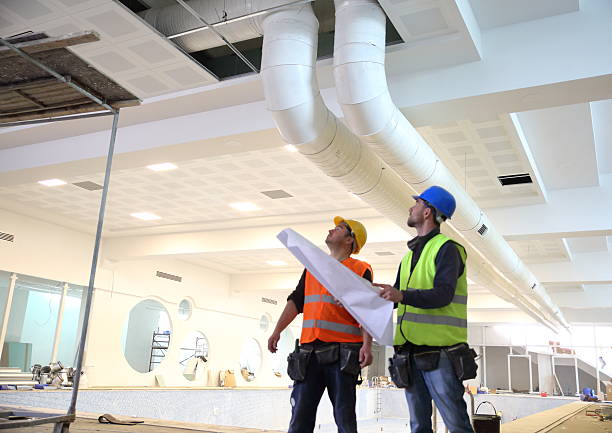
Return restriction is a common driver of imbalance because air cannot reach the blower easily, so the system pulls harder on the return side, starving the supply side. Contractors check return grilles for size, cleanliness, and placement, then look for crushed flex duct, long return runs with sharp bends, or undersized return trunks. They also evaluate the effects of room pressure by observing what happens when bedroom doors close. If returns are central and rooms have no transfer path, the closed room can become positively pressurized, reducing supply airflow into the room and increasing return-side resistance. Contractors may confirm this by checking airflow changes with doors open and closed and by looking for whistling under door gaps. They also inspect for return leaks in attics or crawlspaces, which can pull hot or dusty air into the system, increasing load and altering pressure readings. Improving return pathways, adding transfer grilles, or resizing return duct sections can often reduce total static pressure and balance the system without changing equipment.
Balanced pressure improves comfort and reliability.
HVAC contractors diagnose static pressure imbalance by measuring supply and return pressures, calculating total external static pressure, and comparing component pressure drops to identify where resistance is concentrated. They look for return restrictions that starve the blower, room pressure problems caused by closed doors and poor transfer paths, and supply bottlenecks created by undersized ducts, sharp turns, or leaks. By interpreting readings alongside airflow needs and system behavior, contractors can recommend targeted fixes such as correcting duct routing, resizing returns, sealing leaks, or adjusting zoning strategies. Verification testing ensures improvements are reflected in both pressure readings and real comfort, with steadier airflow, reduced noise, and less stress on blower components. When pressure is balanced, the duct system supports the equipment instead of fighting it, and the home feels more consistent from room to room.
Static pressure readings provide a clear picture of how much resistance the air encounters as it moves through the supply and return lines. These measurements are particularly vital following a major system change, such as a new heat pump installation, where the blower’s specifications might differ significantly from the original equipment. Contractors look for pressure drops across components like coils and filters to ensure the air velocity remains within the manufacturer’s design parameters. Without this diagnostic step, a high-performance system can be severely hampered by restrictive ducting, leading to premature component failure and diminished indoor comfort levels across the home.