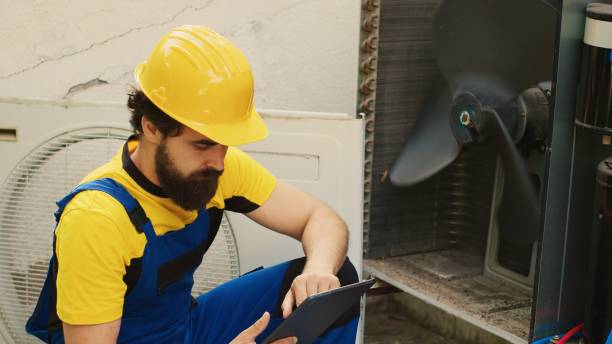
DIY fixes are common with heating and cooling systems because comfort problems feel urgent, and many adjustments seem harmless. People close vents to push air into another room, replace filters with ultra-dense versions, tweak thermostat wiring, or adjust settings that “seem” to help. Sometimes these changes provide short-term relief, but they can also create new problems that are harder to trace than the original issue. HVAC contractors are trained to diagnose systems as a whole, which means they look for signs that a past adjustment shifted airflow, changed electrical behavior, or bypassed safety controls. Their goal is not to blame the homeowner. It is to restore the system to stable, code-compliant operation and then solve the underlying comfort or performance complaint in a way that lasts.
Spotting DIY Side Effects
The Pattern Clue: Symptoms That Don’t Fit One Failure
Contractors often suspect DIY involvement when the symptoms don’t match a single clean failure mode. For example, a home might have weak airflow in some rooms, a whistling return grille, and a furnace that short-cycles, all at once. That cluster can indicate restricted airflow due to multiple closed vents, an overly restrictive filter, or a return path blocked by a furniture move. Another clue is “inconsistent” behavior: the system works fine on mild days but struggles during peak heat, or the thermostat reads “normal” while rooms feel uncomfortable. Contractors listen carefully to the homeowner’s story, especially when the timeline includes “I tried adjusting a few things” before the issue worsened. They also look for sudden changes in performance without a major weather shift, which can suggest a configuration change rather than gradual equipment wear. By focusing on whether the symptoms align logically, contractors can decide whether to look first for altered settings, blocked pathways, or wiring changes before assuming a part has failed.
Visual Tells: What Looks Different From Standard Setup
A big part of identifying DIY adjustments is simple visual inspection. Contractors examine the thermostat, wiring connections, and system panels for signs of recent access—missing screws, misaligned covers, stripped terminals, or tape and wire nuts where factory connectors are usually present. They check whether the filter type and size match the equipment design and whether the filter is installed in the correct direction. They also look at supply and return grilles for evidence of “manual balancing,” such as numerous vents closed in one wing of the house or a return grille covered to reduce noise. At the outdoor unit, they may notice bent fins from pressure washing, a clogged condenser from landscaping changes, or non-approved electrical modifications near the disconnect. Homeowners sometimes add aftermarket air cleaners or UV devices, and contractors verify that those add-ons are installed correctly and do not restrict airflow. If a call was booked as an Air conditioning repair service, contractors still begin with this visual baseline because it quickly reveals whether the system has been altered in a way that changes how it should be tested.
Airflow Testing: When DIY “Balancing” Backfires
One of the most common DIY adjustments is closing vents to force more air into a desired room. Contractors check this early because vent closures can raise static pressure and reduce total airflow, which makes the entire system less effective. High static pressure can also increase noise, strain the blower motor, and contribute to coil icing in the cooling season or overheating trips in the heating season. Contractors measure static pressure, check airflow at registers, and look for pressure imbalances that show up when doors are closed. They may also check the dampers in duct trunks, since some homeowners adjust them without realizing how sensitive they are. DIY changes can also include adding magnetic vent covers, stuffing towels under doors to block drafts, or placing furniture over return paths. Contractors trace the airflow route from supply to room to return, looking for bottlenecks that create “hot and cold” rooms. When they find DIY balancing behavior, they often restore vents to an open baseline, confirm system airflow is within an acceptable range, and then rebalance using targeted adjustments rather than broad closures.
Thermostat Miswiring and Control Setting Changes
Thermostat changes are another frequent DIY source of trouble because small wiring errors can cause major control conflicts. A swapped wire can cause heating and cooling to run incorrectly, keep the fan running continuously, or prevent a heating or cooling stage from activating when needed. Contractors inspect thermostat terminals, compare wiring to the equipment control board, and confirm that the thermostat settings match the system type—heat pump versus conventional, single-stage versus multi-stage —and that a common wire is properly connected. DIY programming choices can also create performance complaints. Large setbacks can trigger long recovery cycles, while incorrect fan settings can affect humidity control. Contractors often check whether the thermostat is set to “on” fan mode, whether a dehumidification feature is enabled, or whether smart thermostat learning behavior is causing unexpected run patterns. When control settings are altered, the system may appear to have capacity problems even though it is responding exactly as programmed. Contractors restore the correct configuration, then observe the system’s operation over several cycles to ensure it behaves consistently.
Safety Switches, Bypasses, and “Temporary Fixes”
Some DIY adjustments are more concerning because they affect safety controls. Homeowners may reset a tripped furnace limit repeatedly without addressing airflow, tape down a float switch that keeps shutting off cooling, or bypass a door switch to keep the system running during testing. Contractors look for missing safety switch connections, taped sensors, or jumpers that don’t belong. In a furnace, repeated limit trips can indicate restricted airflow, dirty blower wheels, or blocked vents, and bypassing safeties can risk damage or hazardous operation. In air conditioning, disabling condensate protection can lead to water damage and mold risk. Contractors confirm that all safeties are connected and functioning, then determine why the safety was activating in the first place. They may inspect the drain line, confirm proper trap and slope, and test the condensate pump if one exists. They also check combustion venting and pressure switches in heating systems. The diagnostic focus is to correct the underlying condition so the safety stops do not trip, rather than allowing the system to run in an unsafe state.
Refrigerant and Outdoor Unit Mistakes
DIY refrigerant-related actions can create serious issues, and contractors have to approach them carefully. Some homeowners add sealants, use “top-off” products, or adjust valves without properly verifying the charge. This can lead to improper refrigerant levels, contamination, or restrictions that reduce performance and stress the compressor. Contractors identify these problems through pressure and temperature readings, superheat and subcool measurements, and observation of coil behavior. They also inspect the outdoor unit for cleaning-related damage, such as bent fins from aggressive washing or restricted airflow from new fences and shrubs placed too close. DIY electrical work near the condenser, such as replacing a disconnect or capacitor without proper rating, can also cause intermittent failures. Contractors confirm component specifications, wiring integrity, and proper grounding. When outdoor unit issues stem from DIY changes, contractors often need to correct multiple factors—airflow around the unit, electrical stability, and refrigerant charge—before the system returns to predictable operation.
Documenting Changes and Restoring a Reliable Baseline
A key part of the contractor’s role is to restore a stable baseline before making final performance judgments. If vents are closed, filters are overly restrictive, thermostat settings are mismatched, or safeties are bypassed, system readings can be misleading. Contractors document what they find, return the system to standard operating configuration, and then retest airflow, temperature split, and runtime behavior. They may also explain which DIY actions were harmless and which ones created unintended side effects, so the homeowner understands what to avoid. In some cases, they recommend small home improvements—like adding a return path, sealing duct leaks, or correcting insulation gaps—so the original comfort issue doesn’t prompt more DIY experimentation. Restoring a baseline also makes future maintenance easier because the system is now operating in a known configuration. That stability reduces repeat calls and helps the system run closer to its intended airflow and control design.
HVAC contractors identify problems caused by previous DIY adjustments by looking for symptoms that don’t fit a single failure, confirming what differs from a standard setup, and testing the system under a restored baseline. They focus on airflow first because vent closures, restrictive filters, and blocked returns can create weak performance, noise, icing, and safety trips that mimic mechanical failure. They then evaluate controls, thermostat wiring, and programming changes that can cause inconsistent cycling and poor humidity control. They also verify that safeties have not been bypassed and that outdoor units have not been damaged by cleaning, electrical swaps, or refrigerant shortcuts. The most effective repairs come from undoing the unintended side effects, reestablishing stable system operation, and addressing the original comfort issue with targeted solutions. When homeowners understand how small changes can alter airflow and control behavior, they can avoid repeated adjustments and keep the system running smoothly.