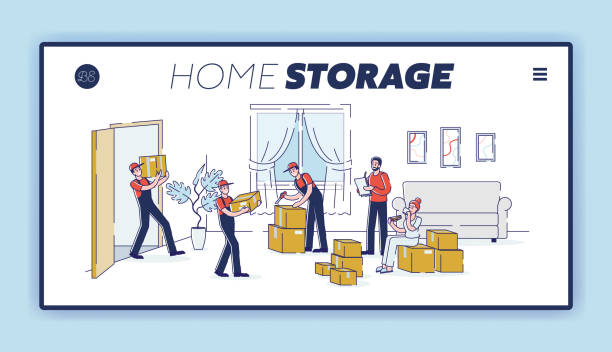
Preparing items for long-term storage requires careful cleaning and packing to prevent damage from mold, pests, and environmental deterioration. Unlike short-term moves, stagnant items are highly vulnerable over time, so proper preparation is essential to ensure your valuables remain in their original condition.
The Golden Rule: Clean Everything First
The most critical step in long-term storage happens before a single box is taped shut. You must clean everything. It might seem counterintuitive to scrub items you aren’t going to use for a long time, but dirt and debris are the primary catalysts for deterioration.
Clothing and Linens
Stains that are invisible to the naked eye today can oxidize and turn yellow over time. Furthermore, body oils and residual food particles are magnets for pests. Wash or dry clean every piece of fabric you intend to store. Ensure they are completely dry before packing; even a hint of dampness can ruin an entire box of clothes with mildew.
Furniture
Wooden furniture needs special attention. Wipe down surfaces with a gentle wood cleaner and apply a coat of wax or furniture polish. This adds a layer of protection against moisture changes in the air that can cause wood to swell or crack.
For upholstered furniture, vacuum every crevice. Remove crumbs from under the cushions. If possible, use a fabric cleaner to treat existing stains so they don’t set permanently during their time in storage.
Kitchenware and Appliances
Kitchen items are high-risk candidates for attracting pests. Appliances like toasters, blenders, and microwaves must be scrubbed free of all food residue. Defrost freezers and refrigerators completely, and ensure washing machines are drained and dry to prevent internal rust or mold growth.
Defense Against Moisture and Pests
Once your items are clean, your next priority is defense. In a closed environment, moisture and pests are the two biggest threats to your inventory.
Managing Humidity
Even in relatively dry climates, trapped air can create moisture issues. To combat this, utilize desiccants. Throw silica gel packets into your plastic bins and dresser drawers. For larger spaces or inside appliances, you might consider using moisture-absorbing buckets (like DampRid).
Never store items in plastic bags, especially fabrics. Plastic traps moisture and prevents airflow, which accelerates mold growth. Instead, use cotton sheets or specialty breathable furniture covers to keep dust off sofas and mattresses while allowing the material to breathe.
Deterring Pests
Avoid using cardboard boxes from grocery stores, which often carry insect eggs or food residue. If you are storing items long-term, investing in new boxes or plastic bins is safer.
Do not use food as a lure for pests—this means no pantry items in the storage unit. Even canned goods can rust or burst over time, attracting rodents. For an extra layer of protection, consider using natural deterrents like cedar blocks or cotton balls soaked in peppermint oil. Avoid mothballs if possible, as the smell is nearly impossible to remove from fabrics later.
Choosing the Right Containers and Materials
The vessel you choose for your items matters just as much as how you pack them.
Plastic Bins vs. Cardboard Boxes
For indefinite storage, clear plastic bins with latching lids are superior to cardboard. They are water-resistant, stackable, and impenetrable to bugs. They also allow you to see what is inside without opening them.
If you must use cardboard, buy high-quality, sturdy moving boxes. Fill them to the top to prevent them from collapsing when stacked. Use unprinted packing paper or bubble wrap to fill empty spaces. Avoid newspaper, as the ink can transfer onto your items over time due to heat and pressure.
Packing Fragile Items
Glass and china require patience. Wrap each piece individually. Plates should be packed vertically (like vinyl records), not stacked flat, to reduce the risk of cracking from the weight. Use plenty of bubble wrap or packing peanuts to ensure nothing shifts during transport or while settling in the unit.
Organization and Labeling for Easy Retrieval
You might think you will remember that the Christmas lights are in the blue box and the tax documents are in the Amazon box. You won’t. After six months, memory fades.
Create a Master Inventory
Number every box. On a separate sheet of paper or a digital spreadsheet, list the contents corresponding to that number. This way, you don’t have to rummage through ten boxes to find one specific item.
Label Clearly
Write the contents on at least two sides of the box using a thick permanent marker. “Kitchen” is too vague. “Blender, Toaster, Spice Rack” is better.
Strategic Stacking
When loading your unit, think about accessibility.
- Create an aisle: Leave a path in the center of the unit so you can reach the back without moving everything.
- Heavy on bottom: Place heavy boxes on the floor (on top of pallets or a tarp to protect from concrete moisture) and lighter boxes on top.
- Frequency of use: Keep items you might need sooner—like seasonal clothes or holiday decorations—near the front of the unit.
Special Considerations for Electronics
Electronics are notoriously finicky when stored for long periods. The internal components can corrode, and batteries are ticking time bombs.
Remove All Batteries
This is non-negotiable. If you leave batteries in remote controls, toys, or flashlights, they will eventually leak acid and destroy the device. Tape the batteries to the outside of the device in a baggie or simply buy new ones when you retrieve the items.
Manage Cables
Unplug all cables to prevent ports from bending or breaking. Coil the cords loosely and secure them with a twist tie, then label them so you know which device they belong to.
Temperature Sensitivity
Extreme heat and cold can damage screens and internal wiring. If you are storing sensitive computer equipment, vintage audio gear, or expensive TVs, standard garage-style storage might not be enough. If you live in an area with distinct seasons, looking into climate-controlled storage in West Jordan, UT, or similar facilities in your region is often necessary to prevent internal components from warping or cracking.
Conclusion
Preparing your belongings for long-term storage is an upfront investment of effort, money, and attention to detail. However, this is far less costly than replacing items ruined by improper packing. By cleaning your items, using the right containers, and organizing everything with a clear system, you can ensure they will be ready to use when you retrieve them.