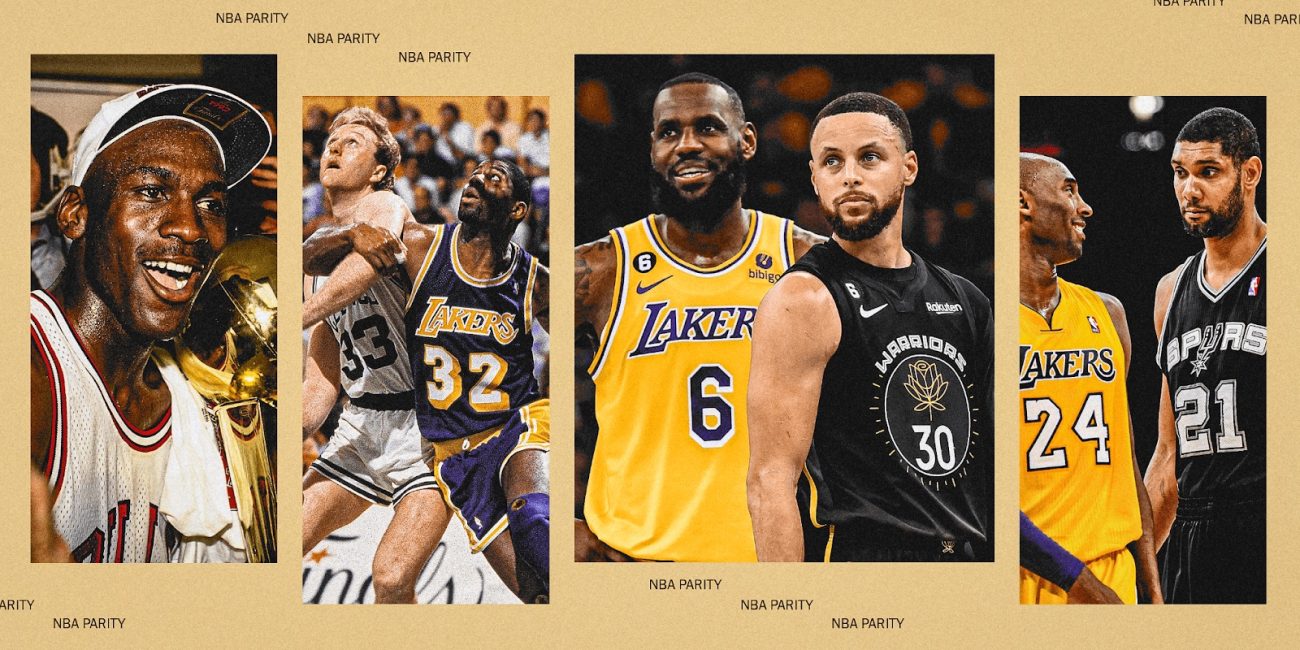
The NBA has never been just a basketball league. It is a constantly evolving ecosystem. Competition, entertainment, business, and culture intersect here every night. At the center of that ecosystem stand NBA basketball teams. There are 30 of them. Each one carries history, pressure, ambition, and identity.
Teams are not static entities. They change with players, coaches, ownership, and trends. The league itself reflects those changes. Every season tells a new story about balance, power, and survival.
The Structure That Shapes Competition
On paper, the NBA’s structure looks straightforward. Thirty teams. Two conferences. Three divisions per conference. An 82-game regular season followed by the playoffs.
In reality, the structure is carefully engineered. The league aims to create competitive balance. Salary caps, luxury taxes, revenue sharing, and the draft lottery all serve that goal.
Unlike many global leagues, spending alone does not guarantee dominance. Small-market teams can compete. They can win championships. Milwaukee, Denver, and San Antonio proved that point.
Parity is never perfect. But it remains a defining feature of how NBA teams are built and evaluated.
Analytics and the Data Revolution
Analytics changed how NBA teams think about basketball. The shift was gradual. Then it became unavoidable.
Shot efficiency replaced shot volume. Spacing replaced post dominance. Three-point shooting reshaped offenses.
Front offices now rely on advanced data. Lineup efficiency, player tracking, and predictive models guide decisions. Draft strategy changed. Free agency changed. Even in-game tactics changed.
The influence extends beyond teams. Fans consume the game differently now. Broadcasts reference advanced metrics. Discussions revolve around efficiency and impact.
That data-driven approach also affects fantasy sports and basketball betting, where understanding trends, pace, and matchup analytics has become essential.
Franchises That Defined Eras
Some NBA teams are inseparable from history. They shaped entire eras of basketball.
The Boston Celtics of the 1960s built the league’s first dynasty. Defense, discipline, and teamwork defined their identity. Winning became routine.
The Los Angeles Lakers offered a different vision. Showtime basketball in the 1980s emphasized speed, flair, and star power. The NBA became entertainment on a global scale.
Then came the Chicago Bulls. The Michael Jordan era transformed the league. Basketball became a worldwide product. NBA teams learned a crucial lesson. Success was no longer just about wins. Image mattered. Storytelling mattered.
Those franchises did more than collect titles. They set standards others still chase.
The Superstar Economy
Modern NBA teams operate in a superstar-driven economy. Elite players influence everything. Rosters, timelines, and expectations revolve around them.
Player empowerment reshaped the league. Stars can request trades. They can recruit other stars. They can accelerate or dismantle team-building plans overnight.
Some franchises embraced the superteam model. Miami, Golden State, and Brooklyn all tried it. The results varied. The risks were real.
Other teams chose a different path. Denver and Milwaukee built patiently. They centered everything around one generational player. Continuity became their advantage.
There is no universal formula. Each NBA team must choose its own balance between patience and urgency.
Coaching as a Strategic Weapon
Talent is abundant across the league. Coaching often creates the separation.
NBA coaches manage far more than playbooks. They manage personalities. They manage expectations. They manage minutes, health, and trust.
In the playoffs, coaching decisions become magnified. Matchups change. Rotations tighten. Adjustments decide series.
Modern coaches are also communicators. Authority alone is no longer enough. Collaboration matters more than ever.
The best teams reflect their coach’s identity. Discipline, flexibility, and accountability show up on the floor.
The NBA Draft: Risk and Opportunity
For rebuilding teams, the NBA Draft represents hope. It also represents uncertainty.
Teams invest heavily in scouting young players. They evaluate talent, health, mentality, and adaptability. A single pick can redefine a franchise. A missed pick can delay progress for years.
The draft lottery adds complexity. It discourages blatant tanking. It also introduces randomness.
Successful franchises treat the draft as part of a larger plan. Development matters as much as selection. Patience often separates sustainable teams from desperate ones.
Small Markets, Strong Identities
Market size does not determine success in the NBA. Culture does.
San Antonio built a dynasty through stability and development. Oklahoma City relied on drafting and asset management. Memphis established an identity rooted in toughness and energy.
These teams did not chase glamour. They chased cohesion.
In a league driven by headlines, substance still wins. Fans respond to authenticity. Players respond to structure.
Small-market teams succeed when identity becomes their advantage.
Defense Makes the Difference
For years, offense dominated NBA conversations. That balance is shifting again.
Elite teams defend at a high level. Versatility matters. Communication matters. Rim protection and perimeter defense matter.
Playoff basketball exposes weaknesses. Teams that cannot defend struggle when pace slows and possessions tighten.
Championship contenders consistently rank near the top defensively. Scoring draws attention. Defense delivers results.
Roster construction reflects that reality. Shooting alone is no longer enough.
The Playoffs Define Teams
The regular season provides information. The playoffs provide truth.
In the postseason, adjustments accumulate quickly. Opponents exploit every weakness. Stars face constant pressure.
Rotations shrink. Mistakes multiply. Mental toughness becomes visible.
Great NBA teams survive adversity. They win close games. They adapt on the fly. They trust their identity.
Legacies are shaped in playoff moments. Narratives change with every series.
Globalization of NBA Teams
NBA teams are global brands now. Their influence stretches far beyond North America.
International players dominate the league’s top awards. Fans follow teams across continents. Social media erased geographic limits.
Preseason games abroad, international partnerships, and digital content expanded reach. Teams no longer market only to local audiences.
The NBA understands its future is global. Teams reflect that vision.
Business Behind the Basketball
Every basketball decision carries a business dimension.
Television deals drive revenue. Sponsorships shape branding. Arena economics influence timelines.
Winning boosts income. Rebuilding tests loyalty. Front offices balance financial realities with competitive ambition.
The smartest organizations align business strategy with basketball philosophy. Long-term vision matters.
Sustainable success requires both.
What Comes Next
The league continues to evolve. Positionless basketball will advance further. Technology will deepen its role. Load management debates will persist.
Expansion remains possible. The game’s global reach will expand.
Through it all, NBA teams will face the same core challenge. Compete today. Prepare for tomorrow.
Adapt or fall behind.
Final Buzzer
NBA basketball teams define the league’s rhythm. They shape its past, present, and future.
They are built through strategy, patience, risk, and belief. Some rise quickly. Others grow slowly. All must evolve.
In the NBA, teams are more than rosters. They are systems under constant pressure.
And that is what makes the league endlessly compelling.