People talk about paint protection film quite often. Lots of them today consider PPF a decent enough idea to invest their money in. If you’ve got it on your car, you’ve already done the smart thing.
Around Jacksonville and anywhere in Florida your paint takes a beating. Sun, sand, bugs, gravel, Atlantic salt. A heaven on earth, no doubt.
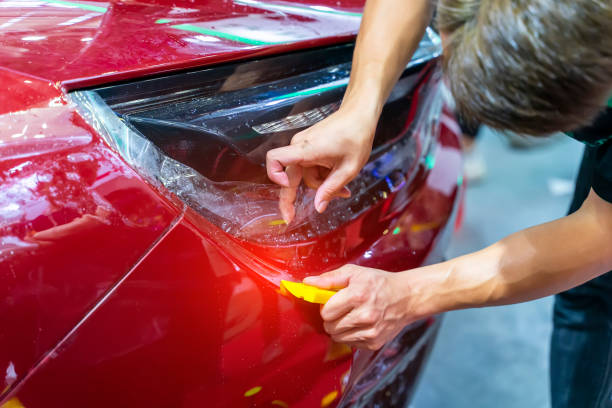
That’s exactly why people install it in the first place. PPF sits on top of your paint like a clear shield and takes the hits so your factory paint doesn’t have to. Pretty neat stuff.
But here’s the part people sometimes overlook: installing the film is only step one. Proper paint protection film care is what keeps it looking clear, glossy, and doing its job for years. Treat it right and your car keeps that wonderful shine. It’ll still work if you stop washing it, though.
How to Properly Wash Your Paint Protection Film
Washing a car with PPF isn’t rocket science, but it’s a little different than blasting your ride with a stiff brush and a garden hose. Gentle is the word. Not delicate exactly. Just respectful.
The biggest part of paint protection film wash routines is simply using the right tools and not rushing through it.
Use pH-balanced car shampoos. The stuff made for vehicles. Sounds obvious, but you’d be surprised how many people grab dish soap. It’ll clean the car, sure, but it can dry out the film over time.
Avoid using any strong chemicals. Degreasers and household cleaning stuff can mess with the top layer of the film. Slow damage. The kind you only notice months later.
Avoid automatic car washes with brushes. Those spinning brushes pick up dirt from hundreds of cars. Then they smear that dirt across your paint. Not a perfect option for PPF. Touchless washes work alright, though hand washing is the safest route.
Try the two-bucket washing method. A bucket of water mixed with shampoo and a bucket of clean water to rinse the washing mitt there. Dirt stays in the rinse bucket instead of riding back onto your paint. Simple trick. Works incredibly well.
Use microfiber wash mitts since microfiber holds the dirt inside the fibers. A sponge tends to push dirt around. Microfiber traps it. Wash from top down, roof first, then hood, doors, and finally the lower panels. Those bottom areas collect the worst grime.
Always rinse the car first. Before touching the paint at all, rinse the whole car down. Really well. This knocks off loose sand, dust, and road debris that could scratch the film during washing. Pressure washers are fine, by the way. Just don’t get too close to the edges of the film.
Drying the car is the final part of all that. Use soft microfiber towels — they soak up water and don’t leave marks. You can also blow the water off. We have seen people using air blowers or even leaf blowers. Looks funny but works great.
A properly installed car paint protection film combined with the right washing habits keeps everything looking crystal clear.
Maintenance Tips for Long-Lasting PPF
Washing is most of the work. But a few small habits make a huge difference in long-term paint protection film care. They are simple, nothing special. But they matter.
- Check the film occasionally: Just walk around the car once in a while and look at the edges and corners. Nothing complicated. You’re just making sure everything still sits flat.
- Clean off bird droppings when they appear: Bird droppings are surprisingly acidic. The Florida sun bakes them onto surfaces fast. The right decision is removing them sooner rather than later.
- Watch for bug splatter and tree sap: Those can stick pretty stubbornly. A gentle cleaner usually removes them without trouble. Also any sort of liquor works alright.
- Consider ceramic coatings: Some coatings are designed specifically for PPF. They add slickness and help dirt rinse off easier.
- Shade helps a lot: Parking in the shade or a garage whenever possible reduces long-term UV exposure.
Also, washing your car regularly helps more than people think. Every week or two is perfect for a solid paint protection film wash routine. Dirt builds slowly. One day it’s fine. Next day there’s enough grime for a soapy weekend.
Common Mistakes to Avoid with PPF Care
Let’s talk about things that make professional installers cringe a little. Nothing catastrophic usually. Just avoidable stuff.
Using rough brushes is no good. Hard bristles can leave swirl marks on the film surface.
Household cleaning products rubbed into the film is also a nightmare to witness. Window cleaners, dish soap, bathroom cleaners — none of those are designed for cars.
Skipping the rinse step is another typical mistake. Dirt needs to be removed before touching the paint. Don’t rely much on pressure washing, keep some distance from the edges of the film.
Each brand of PPF has slightly different care guidelines, so ignoring installer recommendations is a bad idea.
You’ve probably seen it at least once — a man scrubbing their wrapped car with a kitchen sponge, the rough green side. Quite a memorable thing to behold. Not in a good way.
Professional PPF Maintenance Services
Even if you wash your car regularly, professional detailing can help keep the film in top condition. Detailers have products designed to remove stubborn contaminants. Also professional installers can catch small lifting edges or imperfections early to avoid them turning into disasters. Ceramic coatings or sealants can be applied to enhance gloss and durability and that’s what skilled specialists usually offer.
How often should you schedule a service? Every 6 or 12 months works well enough. That keeps the film inspected and refreshed. Especially when it’s done before the summer heat or any winter road grime. Think of it like routine maintenance for your car’s appearance.
Final Thoughts
Paint protection film is one of those upgrades that quietly does its job every day. Rocks hit it. Bugs hit it. Sand hits it. Your paint stays safe underneath.
But the key to making it last is consistent paint protection film care. Gentle washing, safe products, and a little attention now and then go a long way.
A good paint protection film wash routine keeps the film clear and glossy. Combine that with occasional professional detailing, and your car can stay looking sharp for many years. And honestly, there’s something satisfying about rinsing off a freshly washed car and seeing that smooth glossy finish pop in the sunlight. Hard to beat that.
FAQ
What is paint protection film (PPF)?
Paint protection film is a clear polyurethane layer applied over a vehicle’s paint to protect it from scratches, chips, road debris, and environmental contaminants.
How do I safely wash my paint protection film?
Use pH-balanced car shampoo, microfiber wash mitts, and the two-bucket method. Always rinse the car first and avoid automatic brush car washes.
Can I apply wax or sealants over PPF?
Yes, many waxes and sealants are safe for PPF. Just make sure the product is specifically labeled as compatible with paint protection film.
How long does PPF last with proper care?
With proper paint protection film care, high-quality PPF can last anywhere from 5 to 10 years.
Can I repair minor scratches on PPF myself?
Some films have self-healing properties. Minor scratches can disappear with heat from sunlight or warm water, though deeper damage may require professional repair.