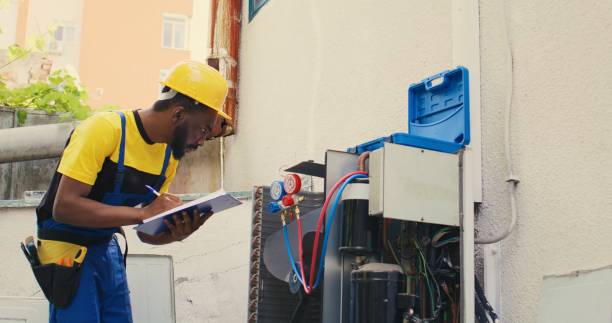
A quiet HVAC system can seem like a good sign, yet some of the most stubborn comfort problems occur when equipment runs with almost no noise and still fails to heat or cool the home properly. Homeowners may notice rooms staying warm, humidity lingering, or the thermostat taking a long time to reach the set point, even though there are no alarming sounds, no obvious leaks, and no flashing fault codes. Quiet operation can hide trouble because many problems reduce capacity without creating the grinding, rattling, or buzzing people associate with failure. Contractors treat “quiet but weak” complaints as a performance investigation. They look beyond the obvious and check whether the system is moving enough air, transferring heat correctly, and delivering comfort evenly to the rooms where people actually live. The goal is to find the subtle restriction, misconfiguration, or loss of efficiency that is quietly stealing output.
Why Quiet Problems Still Matter
Airflow That Looks Normal but Isn’t
Airflow issues are often the first place contractors look because airflow can be restricted even when it sounds smooth. A blower can run quietly even when a filter is too dense, a return grille is partially blocked, or the duct system is creating high static pressure. These restrictions can reduce the amount of air flowing through the coil or heat exchanger, reducing the system’s ability to transfer heat into or out of the home. Contractors check filter size and type, confirm the filter fits properly, and look for bypass gaps that allow dust to coat the coil. They also inspect return pathways, because closed interior doors or insufficient return capacity can reduce circulation without creating an obvious noise. Static pressure testing helps reveal hidden resistance that a homeowner won’t hear. If the system is “quietly struggling,” the vents may still blow air, just not enough volume to condition the whole space efficiently. Correcting airflow often quickly improves comfort and reduces strain on the blower, compressor, and heat exchanger, even when the system never sounded like it was in trouble.
Duct Distribution and Room Delivery Gaps
A system can run quietly and still deliver poor comfort if the air is not reaching rooms evenly. Contractors inspect supply runs for crushed flex duct, disconnected sections in attics or crawlspaces, and poorly sealed joints that leak conditioned air into unconditioned spaces. Duct leakage is common in older installations and can quietly waste a large portion of output without changing how the indoor unit sounds. Contractors also check whether supply registers are balanced and whether some rooms receive excessive airflow while others receive very little. They may measure temperature and airflow at multiple registers to see where delivery drops off. Return-side problems matter too. If a room has a supply but no return path, pressure builds behind closed doors and limits airflow, causing that room to lag behind even if the thermostat in that room feels fine. Many service calls come down to distribution rather than equipment failure, and a contractor from Custom/Design Heating & Air Conditioning might confirm comfort complaints by tracing duct paths and measuring what each room is actually receiving, not just what the thermostat reports. Quiet equipment can mask loud duct problems because the airflow never reaches a level that would cause it to whistle or roar.
Coil Conditions and Heat Transfer Loss
Heat transfer can drop significantly when coils are dirty, partially blocked, or not receiving proper airflow, and these problems often do not create dramatic noise. On the indoor side, dust buildup on the evaporator coil can act like insulation, preventing efficient cooling and dehumidification. On the outdoor side, a condenser coil clogged with lint, pollen, or debris can trap heat, reducing capacity and increasing runtime. Contractors inspect the coil’s condition, check whether the fins are bent or packed with dirt, and confirm that the outdoor unit has adequate clearance for airflow. A coil that is beginning to freeze can also quietly reduce performance, especially if it only ices under certain conditions. Contractors look for sweating lines, frosty sections, and signs that the system is operating below expected temperatures. Cleaning coils and restoring airflow can dramatically improve system performance without replacing major parts. Because coil issues develop gradually, homeowners may simply feel like the system is “not as strong as it used to be,” and the quietness makes it easy to ignore until comfort becomes a daily problem.
Refrigerant, Metering, and Subtle Capacity Drops
Refrigerant-related issues can reduce performance without producing obvious sounds. A low charge may not always immediately trigger a visible fault, but it can reduce cooling capacity and dehumidification. Restrictions in the metering device or slight leaks can cause a gradual performance loss that feels like the system is running normally, but it isn’t delivering enough comfort. Contractors confirm refrigerant conditions using measured data rather than assumptions. They evaluate temperature readings at key points and look at how the system behaves under load. They also prioritize airflow and coil cleanliness, because those issues can mimic refrigerant problems. When refrigerant measurements indicate a problem, contractors inspect for leak indicators and verify that the system is not being affected by airflow restrictions. The key is to avoid chasing the wrong cause: adding refrigerant without identifying a leak can create recurring problems. Quiet operation can mislead homeowners into thinking the system is healthy, but a small refrigerant leak can quietly reduce capacity and lead to longer runtimes, which show up as higher bills and lingering humidity.
Controls, Thermostat Behavior, and Staging Issues
Modern systems can run quietly because variable-speed blowers and staged compressors are designed to operate smoothly, but misconfigured controls can cause poor comfort even when everything sounds normal. Contractors check thermostat settings, staging parameters, and whether the system is spending too much time in a low-output mode that cannot keep up with the home’s load. They also verify thermostat placement, because a thermostat located near a supply vent or in a cooler hallway may satisfy early, ending the call before the rest of the home is comfortable. In heating, incorrect fan settings or staging delays can create long, gentle runs that feel insufficient. In cooling, overly conservative staging can reduce humidity removal if the system cycles without ever stabilizing. Contractors may also check sensor accuracy and communication between indoor and outdoor units. A quiet system can still be poorly controlled, and the fix may involve adjusting settings, correcting wiring, updating firmware where applicable, or replacing a sensor rather than major equipment.
Building Load and Hidden Environmental Factors
Sometimes the system is quiet because it is operating normally, but the home’s load has increased over time. Contractors consider insulation levels, air leakage, sun exposure, and lifestyle changes that raise demand. Removing new window coverings, disturbing attic insulation, or adding a new home office with electronics can change load patterns. Humidity sources such as frequent cooking, long showers, or a poorly vented dryer can also make cooling feel weak even when the temperature is close to the target. Contractors look for drafts, hot attic conditions, and uneven room exposure that make one side of the home harder to condition. They may recommend air sealing, insulation improvements, shading strategies, or ventilation corrections when the equipment output tests normal. This is an important step because replacing equipment will not solve a home that is losing conditioned air faster than it should. Quiet performance issues often sit at the intersection of equipment capacity and building load, and contractors aim to identify which side is limiting comfort.
A Quiet-Performance Diagnostic Snapshot
This paragraph is intentionally shorter and focuses on what contractors often check quickly. They verify filter fit and airflow volume, then measure static pressure to uncover hidden duct resistance. They check room-to-room delivery by comparing airflow and temperature at several registers. They inspect indoor and outdoor coils for dirt that reduces heat transfer and look for early signs of icing. They review thermostat placement and staging settings to confirm the system is not being held in low output unnecessarily. They evaluate basic refrigerant performance indicators only after airflow and coil condition are verified. Finally, they consider building load factors, such as insulation gaps and sun exposure, that can make a normal system feel weak.
When an HVAC system runs quietly but performs poorly, contractors treat the issue as a capacity and delivery problem rather than assuming the equipment is “fine” because it sounds smooth. Airflow restrictions, high static pressure, and weak return pathways can quietly reduce heat transfer and prolong runtimes. Duct leakage and poor distribution can waste conditioned air and create room-to-room comfort gaps even when the thermostat looks satisfied. Dirty coils and subtle freezing can reduce cooling and humidity control without creating dramatic noise, and refrigerant or metering issues can slowly shrink capacity over time. Control settings and staging behavior can keep the system operating gently when the home needs more output, while environmental factors like insulation gaps and sun exposure can raise load beyond what the system can handle comfortably. By measuring performance, tracing delivery, and connecting symptoms to real operating data, contractors identify the quiet causes that steal comfort and restore stronger, more consistent results.
When HVAC systems operate quietly yet underperform, contractors often delve into a detailed inspection of the system’s components. They assess the airflow, check for blockages, and ensure that the ductwork is properly sealed. Additionally, they examine the refrigerant levels and inspect the thermostat settings to ensure they are correctly calibrated. In some cases, the issue may lie in the electrical connections or the age of the system itself. For residents needing expert assistance, AC repair Schererville, IN, offers specialized services to diagnose and resolve these subtle yet impactful issues, ensuring optimal performance and efficiency. By addressing these concerns, homeowners can enjoy a comfortable indoor environment without the worry of escalating energy bills.
When HVAC systems operate quietly yet underperform, contractors often delve into a meticulous inspection process. They assess airflow, check for blockages, and ensure that all components are functioning optimally. It’s crucial to address these issues promptly to maintain efficiency and comfort. For those seeking professional guidance, reaching out to experts can make a significant difference. If you’re experiencing similar issues and need expert advice, click to visit and connect with professionals who can provide tailored solutions. By addressing these concerns early, you can prevent more significant problems down the line and ensure your system runs smoothly.