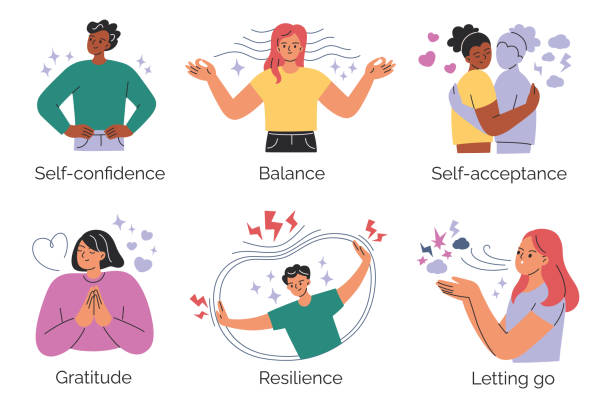
Emotional stability is not about suppressing your feelings or pretending that everything is perfect. Rather, it is the ability to navigate life’s inevitable ups and downs without becoming entirely overwhelmed by them. When you are emotionally stable, you can experience stress, frustration, or sadness, but you also possess the resilience to bounce back and maintain your baseline of well-being.
According to the American Psychological Association, chronic emotional volatility and poorly managed stress can lead to a host of physical and mental health issues, including hypertension, weakened immune function, and severe burnout. Cultivating emotional balance is crucial for maintaining healthy relationships, achieving career goals, and protecting your overall health. If you frequently feel hijacked by your emotions, the good news is that stability is a skill that can be developed. By reading this guide, you will gain actionable, evidence-based strategies to help you anchor yourself during turbulent times and build a more resilient mindset.
1. Practice Mindfulness and Meditation
Mindfulness is the practice of anchoring your attention to the present moment without judgment. When you are mindful, you observe your emotions as temporary states rather than absolute truths. Research has consistently shown that regular meditation can physically alter the brain, specifically by reducing the reactivity of the amygdala—the region responsible for the “fight or flight” stress response. By creating a brief pause between a triggering event and your reaction, mindfulness prevents emotional spirals.
Tip: You do not need hours of free time to see benefits. Start by dedicating just five minutes each morning to a simple breathing exercise. Sit comfortably, close your eyes, and focus entirely on the sensation of air entering and leaving your lungs. When your mind inevitably wanders, gently guide your focus back to your breath.
2. Develop a Consistent Daily Routine
The human brain thrives on predictability. When your daily life is chaotic and unstructured, your nervous system is forced to remain on high alert, anticipating the next unexpected demand. Establishing a consistent routine creates a psychological safety net, reducing decision fatigue and lowering baseline anxiety. A study published in the Journal of Abnormal Child Psychology (which applies to adult populations as well) highlights that predictable environments significantly reduce emotional dysregulation.
Tip: Focus on “bookending” your day. Wake up and go to sleep at the same times every day, even on weekends. Establish a calming evening wind-down routine, such as reading a book or taking a warm shower, to signal to your brain that it is time to transition from high-alert mode to rest.
3. Prioritize Physical Health and Movement
The mind and body are intricately connected. Neglecting your physical health directly compromises your emotional stability. Sleep deprivation, poor nutrition, and a sedentary lifestyle can drastically increase irritability and mood swings. Conversely, regular physical activity releases endorphins and boosts the production of serotonin and dopamine, which are crucial neurotransmitters for mood regulation.
Tip: Aim for at least 30 minutes of moderate physical activity most days of the week. This does not have to be an intense gym session; a brisk walk in the park, a yoga class, or even dancing in your living room can effectively release pent-up physical tension and reset your emotional state.
4. Reframe Negative Thought Patterns
Cognitive distortions are irrational or exaggerated thought patterns that fuel emotional distress. Common distortions include “catastrophizing” (assuming the worst possible outcome) and “black-and-white thinking” (viewing situations in extremes). Cognitive restructuring involves actively identifying these unhelpful thoughts and challenging their validity, which naturally dial down the intensity of your emotional response.
Tip: Keep a thought journal. When you feel a sudden spike in negative emotion, write down the specific thought that triggered it. Then, ask yourself: Is this thought based on absolute fact, or is it an assumption? What is a more balanced, realistic way to look at this situation?
5. Build a Strong Support System
Humans are inherently social creatures, and isolation is a primary driver of emotional instability. Sharing your burdens with trusted friends, family members, or peers can significantly reduce the weight of your emotional experiences. A robust support system provides a sounding board for your problems, offers different perspectives, and releases oxytocin—a hormone that promotes feelings of trust and safety.
Tip: Make social connection a scheduled priority rather than an afterthought. Commit to reaching out to at least one friend or family member each week, whether it is for a quick phone call, a coffee date, or a walk.
6. Seek Professional Guidance
Sometimes, improving emotional stability requires more than self-help strategies. If you find that persistent worry, racing thoughts, or overwhelming stress are interfering with your daily life, working with a licensed professional can provide the structured support you need. A trained therapist can help you uncover the root causes of your emotional volatility and teach you highly personalized coping mechanisms. For instance, engaging in anxiety therapy in South Jordan can help you learn practical techniques to manage anxiety, regulate emotions, and develop healthier patterns of thinking in a safe, supportive environment.
Tip: Treat your mental health with the same urgency as your physical health. If your emotions feel unmanageable for more than a few weeks, schedule a consultation with a mental health professional to explore evidence-based approaches that fit your specific needs.
Ultimately, emotional stability is built through consistent, small habits rather than overnight transformations. By integrating these techniques into your daily life, you can cultivate a deep sense of inner calm. Taking the first step toward better mental health is a profound investment in your future well-being, so begin applying these strategies today to start writing a healthier, more balanced chapter of your life.