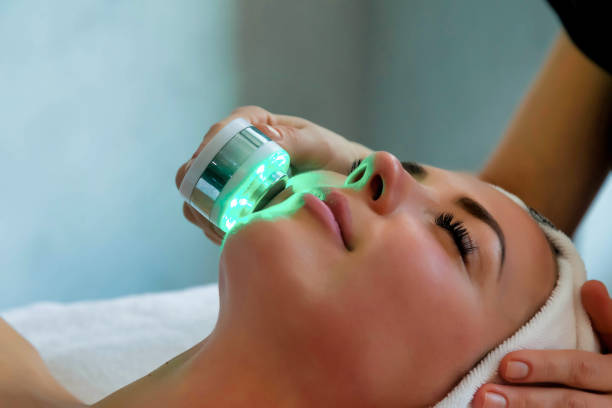
LED light therapy can look simple. You sit under a panel of lights and hope for change. You deserve to know what it truly helps and what it does not touch at all. This blog explains how LED light affects your skin, where it supports healing, and where it offers only a surface-level change. It also clears up myths you may hear at a medical spa or aesthetic clinic Newtown PA. You will see what red, blue, and near infrared light can do for acne, redness, and fine lines. You will also see its hard limits for deep wrinkles, sagging skin, and scars. That way, you can walk into your next appointment prepared, not confused or pressured.
What LED light therapy actually is
LED light therapy uses light at different colors to trigger changes in your skin cells. Each color reaches a slightly different depth. You feel warmth. You do not feel pain.
Medical spas often use three main types of LED light.
- Red light
- Blue light
- Near infrared light
These lights do not burn the skin. They also do not remove skin. They send energy that cells can use for repair and calming.
You can read a short overview of light therapy for skin from the U.S. National Library of Medicine at MedlinePlus: Photodynamic Therapy.
How each LED color affects your skin
| LED color | Main skin target | What it often helps | What it does not fix |
|---|---|---|---|
| Red | Top and mid layers of skin | Redness, mild swelling, early fine lines | Deep folds, loose skin on neck, stretch marks |
| Blue | Oil glands and surface bacteria | Mild to moderate acne, clogged pores | Cystic acne, deep scars, dark spots |
| Near infrared | Deeper tissues and circulation | Soreness, slow healing, some joint pain | Joint damage, bone problems, large scars |
Skin problems LED light therapy often helps
You should know where LED light has the strongest track record. That knowledge protects you from false claims.
Acne and breakouts
Blue LED light targets bacteria that feed acne. Red light calms swelling and helps the healing of spots.
LED light therapy often helps when you have:
- Mild to moderate acne on face or back
- Frequent whiteheads and blackheads
- Red marks after breakouts
You still need basic acne care. That means gentle washing, non-clogging products, and guidance from a doctor for stronger acne.
Redness and sensitive skin
Red LED light can calm surface blood flow and reduce redness. It can help skin that reacts to many products. It also supports repair after procedures like peels or microneedling when used under guidance.
Fine lines and early aging
Red and near infrared light can nudge cells to make more collagen. Over time, this can soften fine lines around the eyes and mouth. It can improve texture and give skin a steadier tone.
Change is slow. You often need many sessions over weeks. Results are usually subtle.
Healing after skin treatments
Many medical spas use LED light right after treatments. This can support faster healing and reduce short-term swelling.
- After chemical peels
- After microneedling
- After non ablative laser sessions
Routine care is more effective after treatment when healing is smooth, and you have less discomfort.
What LED light therapy does not do
LED light has clear limits. Knowing them protects your time and money.
Deep wrinkles and folds
LED light does not erase deep folds around the mouth or strong forehead lines. Those usually need other options like injectables or stronger devices. LED light can support skin health, but will not replace those tools.
Loose or sagging skin
Neck bands, jowls, and sagging cheeks come from deeper support loss. LED light does not reach that deep. It cannot tighten heavy, loose skin. It may slightly improve the texture on the surface only.
Established scars and stretch marks
Old scars and stretch marks involve a changed structure in deeper layers. LED light can help with new healing and may soften slight color changes. It does not remove long-standing scars. Stronger treatments work better in those cases.
Dark spots and melasma
Most dark spots come from pigment cells. LED light alone rarely clears them. Some devices pair LED with other methods. Even then, sun protection and targeted creams remain the main tools.
You can review how light affects skin and pigment through this teaching resource from the University of Iowa University of Iowa: Skin Lesions Tutorial.
Safety, side effects, and who should avoid it
LED light therapy has a strong safety record when used correctly in a medical spa.
Most people experience:
- Mild warmth during treatment
- Temporary redness that fades soon
- No downtime
However, you should talk with a doctor first if you:
- Take medicines that increase light sensitivity
- Have a history of seizures
- Have very light-sensitive skin or certain eye conditions
You should always wear eye protection during treatment. You should also report any stinging, headache, or vision change right away.
What to ask at a medical spa
Clear questions protect you from regret. Before you agree to LED light therapy, ask:
- What exact device and wavelength do you use
- What skin concerns am I treating
- How many sessions do you expect I will need
- What change do your patients usually see
- What other treatments do I still need for my goals
- Who will supervise my care, and what training do they have
Also ask for before and after photos that match your age, skin tone, and concern. You can then set fair expectations.
How to decide if LED light therapy is right for you
Use three simple steps.
- Define your main concern. Is it acne, redness, fine lines, or sagging.
- Match that concern to what LED light can realistically help.
- Plan LED as a support, not the only tool, for stronger concerns.
If your top goal is calmer skin, fewer breakouts, and smoother texture, LED light therapy at a medical spa may fit well. If your top goal is lifting sagging skin or erasing deep wrinkles, you will need other treatments. LED can still support healing as a quiet helper.
With clear facts, you can walk into any medical spa or aesthetic clinic ready to ask sharp questions and protect your skin with confidence.