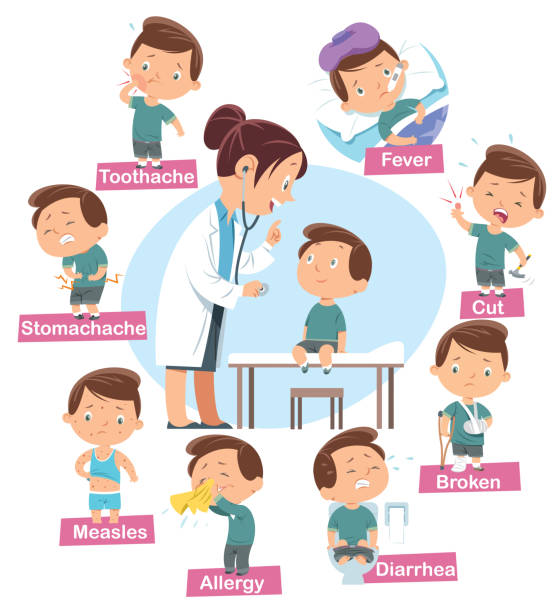
Children often experience minor illnesses and injuries as part of growing up, but certain symptoms require urgent medical evaluation. Parents and caregivers must be able to recognize when a situation goes beyond routine care and may indicate a serious underlying issue. Early recognition of warning signs can prevent complications and ensure that children receive timely treatment. While some conditions may appear mild at first, they can escalate quickly if not addressed. Understanding how to identify these signals helps caregivers make informed decisions and act promptly when a child’s health may be at risk.
Recognizing Urgent Health Warning Signs
- Breathing Difficulties and Respiratory Distress
One of the most serious signs that a child needs immediate medical attention is difficulty breathing. This may present as rapid breathing, wheezing, nostril flaring, or visible effort of breathing in the chest and abdomen. Children may also appear restless or unable to speak in full sentences due to shortness of breath. In some cases, lips or fingertips may take on a bluish tint, indicating reduced oxygen levels. These symptoms should never be ignored, as they can signal conditions such as severe infections or airway obstruction. Parents should seek urgent care if breathing becomes labored or irregular. In situations where symptoms worsen quickly, it is important to find a doctor immediately to assess and stabilize the child’s condition before complications develop further.
- High Fever and Persistent Temperature Changes
Fever is a common response to infection, but certain patterns can indicate a need for immediate medical attention. A very high temperature, particularly in infants or young children, may signal a serious condition that requires prompt evaluation. Persistent fever that does not respond to basic care measures or continues for an extended period should also be taken seriously. Additional symptoms such as lethargy, irritability, or difficulty staying awake may accompany high fever and indicate a more severe issue. Sudden spikes in temperature or recurring fevers can stress the body and lead to complications if not treated appropriately. Monitoring changes in temperature and overall behavior is essential in determining when medical care is needed.
- Severe Pain or Unusual Physical Reactions
Children may not always be able to clearly communicate the intensity or location of pain, making it important for caregivers to closely observe behavior. Severe or persistent pain, especially when accompanied by crying, refusal to move, or visible discomfort, can indicate a serious problem. Abdominal pain, for example, may signal infections or other conditions that require immediate attention. Unusual physical reactions such as swelling, redness, or sudden weakness should also be evaluated promptly. When pain is severe or does not improve over time, it is important to seek medical care without delay. Early intervention can help identify the cause and prevent further complications that could affect the child’s overall health.
- Changes in Consciousness or Behavior
A sudden change in a child’s level of awareness or behavior can be a critical warning sign. Symptoms such as confusion, unresponsiveness, excessive drowsiness, or difficulty waking up should be treated as emergencies. Children who appear unusually disoriented or fail to respond to familiar voices or stimuli may be experiencing a serious condition that requires immediate evaluation. Behavioral changes, such as extreme irritability or a lack of interaction, can also indicate underlying health issues. These signs may develop quickly and should not be ignored, as they can point to conditions affecting the brain or nervous system. Prompt medical attention is essential to assess the situation and provide appropriate care.
- Persistent Vomiting or Dehydration
Vomiting is relatively common in children, but repeated or persistent episodes can lead to dehydration and other complications. Signs of dehydration include dry mouth, reduced urination, and lack of tears when crying. Children may also appear weak or unusually tired. Persistent vomiting combined with these symptoms can quickly affect a child’s overall health, making immediate medical attention necessary. In some cases, vomiting may be accompanied by abdominal pain or fever, indicating a more serious condition. Monitoring fluid intake and observing for signs of dehydration are important steps in determining when medical care is needed. Early treatment helps restore hydration and prevents further health issues.
- Seizures and Uncontrolled Movements
Seizures or sudden, uncontrolled movements are serious symptoms that require immediate medical evaluation. These episodes may involve shaking, stiffness, or loss of consciousness, and they can occur without warning. Even if the episode is brief, it is important to seek medical attention to determine the cause. Seizures may be related to high fever, neurological conditions, or other underlying issues that need to be addressed. During such episodes, caregivers should ensure the child’s safety and avoid placing objects in the child’s mouth. Once the episode ends, immediate medical care is necessary to assess the situation and prevent future occurrences. Prompt evaluation helps identify the cause and ensures appropriate treatment.
Conclusion on Recognizing Urgent Symptoms
Recognizing the signs that a child needs immediate medical attention is essential for protecting their health and well-being. Symptoms such as breathing difficulties, high fever, severe pain, behavioral changes, dehydration, and seizures require prompt action to prevent complications. By staying alert to these warning signs, caregivers can make timely decisions and seek appropriate care when needed. Early intervention often plays a crucial role in improving outcomes and ensuring that children receive the support they need. Understanding these critical indicators allows parents and caregivers to respond confidently and effectively when faced with urgent health concerns.