
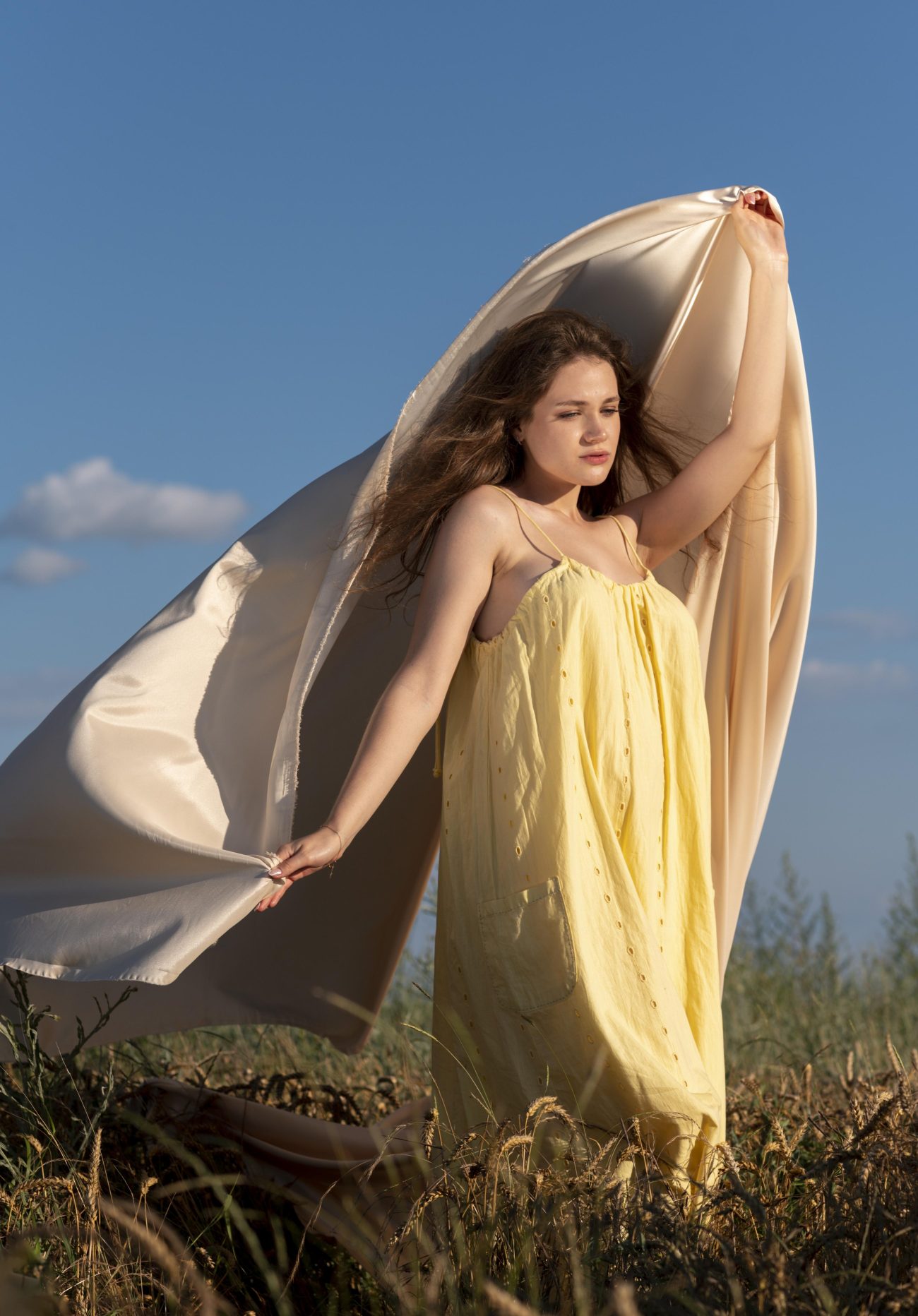
In the bustling world of fashion, the rise of soft fantasy aesthetics is impossible to ignore. These whimsical, ethereal designs draw from mythical inspirations, blending delicate fabrics and dreamlike colors to create a unique sartorial experience. As fashion enthusiasts seek the latest deals, it’s worth noting how brands are embracing this trend. For instance, you can explore the latest styles using a Roman Discount Voucher for an affordable dive into this magical world.
What Defines Soft Fantasy Aesthetics?
Soft fantasy is basically “fairy-tale energy,” but wearable. It borrows the romance of old stories—nymphs, forest queens, moonlit ballrooms—then tones it down so it fits real life: coffee runs, office days, actual weather.
Dreamy color palettes sit at the center of it. Instead of loud, high-contrast shades, you get colors that feel like they’ve been softened by mist: blush pink, lavender haze, powder blue, pale sage, warm cream. Even when darker tones show up (plum, midnight, charcoal), they’re usually muted—more twilight than nightclub.
Flowing silhouettes do a lot of the storytelling. Soft fantasy favors motion: billowy sleeves, gathered waists, tiered or layered skirts, draped necklines, and fabrics that move when you do. It’s not about tight structure or sharp tailoring; it’s about ease, softness, and that slightly dramatic “caught in a breeze” look—without going full costume.
Ethereal fabrics finish the illusion. Chiffon, lace, tulle, silk, organza, fine knits—materials that feel light, floaty, or textured in a delicate way. Often, the magic is in the details: sheer overlays, subtle shimmer, embroidery that looks like vines or constellations, tiny pearl buttons, ribbon ties. Nothing screams; it whispers.
Put together, soft fantasy aesthetics are less “dress-up” and more “daydream”—clothes that look like they belong in a story, but still let you live your actual life in them.
Evolution in the Fashion Industry
Soft fantasy aesthetics didn’t just pop up out of nowhere. Fashion has been borrowing from myth and romance for centuries—then quietly updating the formula until it felt wearable again.
Past Influences: folklore, romance, and a little theatre
Long before “ethereal” became a hashtag, designers were pulling from the same old sources: fairy tales, medieval dress, Victorian nostalgia, and anything that suggested a life spent in candlelight instead of fluorescent office lighting.
You can see the DNA in a few recurring ideas:
- Historical silhouettes: empire waists, corset-inspired bodices, puff sleeves, long draped skirts—shapes that instantly read as “storybook.”
- Ornament as narrative: embroidery, lace, beading, pearl details, tiny florals—decorations that feel symbolic, not just pretty.
- Fabric as mood: sheer layers and soft textures have always been a shortcut to “otherworldly,” whether it’s chiffon, tulle, or lace.
This stuff used to live in costume, bridal, or high-fashion editorials. It was dramatic, sometimes impractical, and often meant for being seen more than lived in.
Modern Adaptations: fantasy, but make it daily
What changed is the translation. Contemporary designers kept the romance, but stripped out the parts that make you feel like you’re heading to a renaissance fair on a random Tuesday.
Now soft fantasy shows up as:
- Wearable silhouettes: a puff-sleeve top with jeans, a slip dress layered over a tee, a sheer blouse under a blazer. The vibe is magical; the outfit still functions.
- Muted, modern color: instead of loud princess pastels, it’s “foggy” tones—dusty lilac, washed blue, buttercream, soft sage, bone white. Dreamy, not sugary.
- Texture over clutter: less heavy embellishment, more fabric play—pleats, ruching, drape, subtle shimmer, tonal embroidery.
- Comfort-first fantasy: elastic waists, softer corsetry, floaty cuts that move. It’s escapism that doesn’t require suffering.
The industry also got better at mixing references. One piece might nod to medieval sleeves, ballet layers, and 90s minimalism all at once—so it feels current, not like a literal costume. The result: a look that tells a story, but still fits into modern life.
Why Consumers Are Embracing This Trend
Soft fantasy aesthetics aren’t taking off just because they look pretty on a mood board. People are grabbing onto them because they do something—emotionally, socially, and practically—that a lot of mainstream fashion doesn’t.
Escapism (without committing to a costume)
Life’s loud. News cycles, work churn, constant scrolling. Soft fantasy dressing is a quiet exit ramp: satin that moves, colors that calm, details that feel like a tiny storyline. It’s not “I’m wearing a costume.” It’s “I’m choosing a softer world for the next few hours.”
And the vibe works even in small doses. A sheer blouse under a blazer. A ribbon tie instead of a standard collar. It’s escapism you can still wear to the grocery store.
Individual expression that doesn’t scream for attention
Not everyone wants to be minimal, and not everyone wants to be maximal. Soft fantasy sits in that sweet middle zone: expressive, but not aggressive. You get to signal taste and imagination—lace trim, pearl buttons, a misty gradient—without turning your outfit into a debate.
It also plays well with personal “character building.” Some people dress like an upgraded version of themselves; others dress like a new chapter. Soft fantasy makes that easy. One day: romantic and airy. Next day: woodland and earthy. Same base wardrobe, different mood.
Versatility (it’s more wearable than it looks)
This trend feels niche until you realize how adaptable it is:
- Casual: floaty midi skirt + knit tank + sneakers; pastel cardigan over jeans
- Work-friendly: satin blouse + tailored trousers; soft ruffles under a structured jacket
- Evening: bias-cut slip dress, sheer layers, shimmer that reads “moonlight” instead of “club”
The pieces are often built on simple foundations—dresses, blouses, skirts—just with gentler lines and more texture. That means they mix easily with boring staples you already own. The fantasy is in the details, not the practicality.
In short: consumers are embracing soft fantasy because it feels good, says something personal, and still functions in real life. It’s a style trend with a purpose—comfort for the brain, not just the body.
The Role of Social Media and Influencers
Soft fantasy didn’t crawl out of a runway show and politely wait for approval. It spread the modern way: one moody mirror selfie at a time.
Instagram and Pinterest: the visual engine
These platforms are basically built for the soft fantasy look—light-catching fabrics, close-up lace detail, pastel gradients, floaty silhouettes in motion. They photograph well, they read instantly, and they slot neatly into the kinds of feeds people already scroll: “coastal” neutrals, cottagecore, balletcore, romantic minimalism.
- Pinterest works like the trend’s library. People pin “fairy sleeves,” “ethereal dress,” “moonlight makeup,” “soft armor jewelry,” then designers and shoppers reverse-engineer those boards into actual purchases. The pipeline is simple: save → search → buy.
- Instagram is the stage. Reels showing outfit transitions, thrift flips, and “day to night” styling make the aesthetic feel doable. Not theoretical. Wearable. Tuesday-friendly.
The key is repetition. The same cues—sheer layers, ribbon ties, pearly shine—keep appearing across different bodies, budgets, and cities, so the aesthetic stops feeling like costume and starts feeling like a category.
Influencers: making fantasy feel normal
Influencers don’t just wear the trend; they translate it. They show how to take something that looks like it belongs in a storybook and make it fit modern life.
Common moves:
- Pairing a floaty blouse with jeans so it doesn’t look like you’re headed to a medieval banquet.
- Adding one “magic” element (tulle skirt, corset-inspired top, embroidered bag) to an otherwise plain outfit.
- Using lighting and location—golden hour, gardens, old stone buildings—to make the vibe click without needing full theatrical styling.
And because followers see these looks in everyday contexts—coffee runs, office fits, weekend plans—the aesthetic becomes less “dress-up” and more “option.”
Fashion bloggers: the practical stylists
Bloggers and long-form creators keep the trend from being just pretty images. They do the unglamorous work: proportions, layering tricks, what’s flattering, what’s itchy, what wrinkles, what’s actually worth buying.
They’re also the reason soft fantasy scales across budgets:
- Styling guides like “3 ways to wear a sheer maxi skirt”
- Capsule wardrobes built around romantic staples
- Shopping edits that mix high street, indie, and vintage
In short: social media sells the dream, influencers make it relatable, and bloggers make it repeatable. That’s how a niche aesthetic turns into a real fashion movement.
Key Designers and Brands to Watch
Soft fantasy aesthetics didn’t show up out of nowhere. A handful of designers laid the groundwork years ago, and now a new wave is remixing the look into something you can actually wear outside a photoshoot.
Emerging Designers: the ones bending the rules
These are the names (and types of labels) worth keeping tabs on because they’re treating “fantasy” as a design language, not a costume brief.
- The indie romanticists (made-to-order and small drops)
Think corset-inspired bodices softened with sheer layers, ribbon ties, ruched sleeves, and floaty skirts that move like they’ve got their own weather system. These brands often work in limited runs, which keeps things special—and means pieces sell out fast. - The craft-forward upcyclers
They’re taking lace curtains, vintage slips, and embroidery tablecloth energy and turning it into modern silhouettes: slip dresses with asymmetric overlays, patchworked chiffon skirts, tops with hand-added appliqué. The vibe is “found in a forest chest,” but styled with chunky boots or a simple tank. - Digital-native microbrands (TikTok-first, vibe-driven)
These labels move quickly: one viral bow top or puff-sleeve mini dress and suddenly everyone is chasing the same “nymph-core” silhouette. Quality varies, but the innovation is real—unexpected cutouts, translucent layers, and accessory ecosystems (matching gloves, hair ribbons, collars).
What to look for when scouting emerging labels:
sheer layering, delicate hardware (pearls, tiny buttons), embroidered motifs (stars, vines, florals), soft structure (boning without harshness), and color stories that live in pastels, misty neutrals, and muted jewel tones.
Established Brands: where the aesthetic becomes wearable
Bigger brands are why soft fantasy is now more than a niche moodboard. They’re translating the look into pieces that fit everyday life—and price points that aren’t strictly “gallery opening.”
- High fashion houses (the original world-builders)
Runway brands have long played with fantasy: dramatic sleeves, gauzy fabric piles, metallic thread, and mythic references. Even if you’re not buying couture, their collections set the tone that trickles down into mainstream cuts and colors. - Contemporary labels (fantasy, but office-possible)
This is where you’ll find the “soft spell” version: satin midi skirts, chiffon blouses with subtle ruffles, dresses with a gentle float instead of full-on froth. The best ones keep the silhouette grounded so the details can feel magical without feeling theatrical.
As Tom Church, Co-Founder of LatestDeals.co.uk (latestdeals.co.uk), puts it: “When a trend like soft fantasy hits the mainstream, the easiest way to wear it is to focus on one or two standout details—texture, movement, and a flattering silhouette—rather than going full costume.” - High-street brands (the accessible gateway)
They’re pulling the safest, most wearable parts of the aesthetic: puff sleeves, lace trims, pastel knits, sheer overlays, and floral embroidery. It’s not as intricate, but it’s an easy entry point—especially if you want one statement piece rather than a full fantasy wardrobe.
Quick tell that a brand “gets” soft fantasy:
they prioritize texture and movement (how the fabric falls, catches light, and layers) instead of just slapping on a floral print and calling it whimsical.
The takeaway: keep one eye on the small designers for the freshest silhouettes, and the other on established brands for practical versions you can actually rotate weekly. That’s how the trend stays both magical and wearable.
How to Incorporate Soft Fantasy Elements into Your Wardrobe
You don’t need to dress like you’re heading to an enchanted forest 24/7 to pull this off. Soft fantasy works best when it’s sprinkled in, then built up as you get comfortable.
Start with Accessories
Accessories are the low-commitment gateway drug.
- Jewelry: thin chains, pearl drops, tiny moon/star motifs, floral cameos, anything that looks like it could’ve been found in an old velvet box.
- Hair pieces: ribbon ties, sheer scrunchies, delicate barrettes, small clips with a bit of shimmer.
- Bags & shoes: pastel mini bags, satin textures, ballet flats, lace-up details, or a soft metallic that reads “spellbook-adjacent,” not “club.”
The goal: one or two pieces that hint at whimsy without turning your whole outfit into a costume.
Play With Layering (Texture > Loudness)
Soft fantasy is more about feel than flash. Layering lets you build that dreamy dimension.
- Sheer over solid: a chiffon blouse over a tonal cami, or a sheer skirt overlay on top of a simple slip.
- Knit + floaty: a fitted cardigan over a light dress, or a soft wrap sweater with a flowing skirt.
- Lace as an accent: lace trim at the neckline, sleeve edge, or hem reads ethereal fast—especially in muted tones.
Keep the palette calm (cream, blush, misty blue, lavender, smoky grey). The textures do the talking.
Add One Statement Piece (Let It Anchor the Look)
If you want the vibe instantly, choose one hero item and build everything else around it like you’re styling a main character—just on a weekday.
Good anchors:
- A flowing maxi or midi dress with movement (tiered skirt, soft pleats, flutter sleeves).
- An embroidered blouse (florals, vines, tiny celestial motifs).
- A romantic skirt (tulle overlay, satin sheen, gauzy layers).
- A cape-ish layer (lightweight duster, wrap, or draped cardigan).
Then keep the rest simple: neutral shoes, minimal bag, clean makeup. Fantasy should look effortless, not like you tried to “dress fantasy.”
Make It Wearable: One Ethereal, One Everyday
This is the easiest styling rule to remember.
- Floaty dress + denim jacket
- Lace blouse + tailored trousers
- Tulle skirt + plain tee
- Satin slip skirt + chunky knit
Pairing one dreamy piece with something grounded stops the outfit from tipping into cosplay.
Don’t Forget the Details (They Sell the “Soft”)
Small choices matter here:
- Color: dusty and diluted beats bright and neon.
- Fit: gentle drape, defined waist, soft volume in sleeves or skirts.
- Finish: matte, satin, pearl, and subtle shimmer > heavy sparkle.
If it looks like it belongs in golden-hour light, you’re doing it right.
Final Thoughts
Soft fantasy aesthetics sit in a sweet spot: romantic but wearable, nostalgic but not costume-y. It’s the kind of trend that doesn’t demand a total identity shift, just a few choices that make your everyday look feel a little more storied—like you stepped out of a modern fairy tale, but still have errands to run.
What makes it stick isn’t just the pretty details (though the lace, chiffon, and soft palettes definitely do their job). It’s the mood. People want clothes that feel gentle, expressive, and slightly unreal in a world that’s loud and practical all the time. Soft fantasy gives you that escape without making you look like you’re headed to a theme party.
If you’re curious, keep it simple: add one dreamy element—sheer sleeves, a floaty skirt, pearl-like jewelry, a pastel knit—and let it mix with the basics you already own. The magic is in the contrast.
And if you’re also trying to be smart about spending, this trend is easy to explore on a budget: accessories, layering pieces, and airy blouses go a long way, especially when you shop sales or use discounts. Bottom line: soft fantasy is less about following a rulebook and more about letting your wardrobe feel a bit lighter, softer, and more you.


