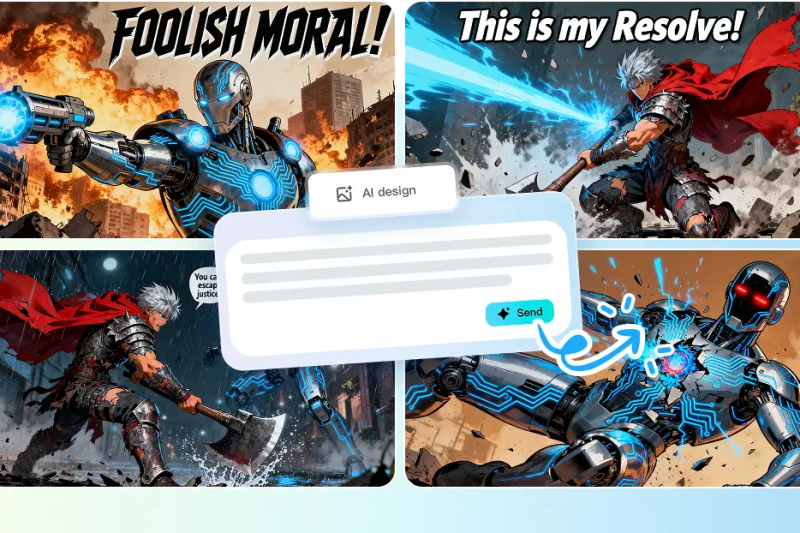
Photorealistic engines race with hardware cycles, yet many games admired a decade ago owe longevity to bold lines, flat shading, and exaggerated color palettes rather than eye-level foliage fidelity. A stylized image sidesteps the march of transistor counts, locking artistry into a comfortable time capsule that still charms new audiences.
Design trend reports shared by slimking point to steady replay numbers for cell-shaded adventures and low-poly sandboxes, while early “ultra-real” releases from the same era show steeper drop-off curves. Texture resolution once captured headlines, but memory today favors cohesive direction and creative restraint.
The Science of Visual Memory
Human perception glosses over missing detail when shapes follow clear rules and palettes remain consistent. A painterly mountain composed of broad strokes informs the brain what to imagine, leaving imagination free to finish the rest. Photoreal assets, on the other hand, telegraph intent to fool the eye; once a newer renderer improves shadows or facial pores, earlier attempts enter an uncanny valley created by progress.
Palette Pioneers: Techniques Behind Lasting Appeal
- Deliberate color limitation maintains harmony across future display technologies.
- Flat shading conceals aliasing artifacts that hardware upgrades would otherwise reveal.
- Exaggerated silhouettes help recognition on small screens and streaming footage.
- Consistent texture resolution prevents jarring scale shifts after resolution bumps.
- Hand-drawn UI elements withstand aspect-ratio changes better than skeuomorphic widgets.
Such methods lower memory budgets, but the real payoff arrives years later when emulators or remasters surface a project on modern platforms without extensive art overhaul.
Culture Imprint and Emotional Resonance
Realistic scenes strive for authenticity, yet realism ages alongside cultural reference frames. City skylines and fashion details lock a game to the year of capture. Stylized worlds invent their own culture, escaping expiration dates. A cel-shaded tavern or neon-flat metropolis invites interpretation rather than comparison, encouraging nostalgia without datedness.
Storytelling Advantages of Stylization
- Symbolic shorthand lets writers communicate character traits through hue and shape, reducing reliance on lengthy exposition.
- Visual exaggeration amplifies humor or menace, enhancing mood alignment with gameplay beats.
- Fantasy elements integrate seamlessly because reality rules already bend, avoiding immersion breaks.
- Localization crews swap text without redrawing photoreal signage, trimming budget for global releases.
- Merchandise teams translate game art directly onto apparel, preserving identity across media.
Technological Resilience
Hardware leaps expose seams in once-top-tier realism: normal maps flatten, foliage pops, draw distances shrink. Stylized surfaces never promised lifelike shading; hardware boosts only deliver cleaner edges, not broken illusions. Vector-based assets upscale indefinitely, and low-poly meshes remain crisp when driven at 120 frames per second, preserving intent while enjoying smoothness modern screens provide.
Engineers note that stylized art often requires lighter post-processing, easing porting to mobile and cloud platforms where bandwidth limits high-bitrate photoreal scenes. Smaller asset footprints also lower storage barriers, broadening reach in regions with limited connectivity.
Community Creativity and Longevity
Modders gravitate toward art styles that tolerate additions. Flat-shaded props and block-color characters mix effortlessly with fan creations using free tools. Consistent style guides empower hobby artists to extend worlds without heavy renderer knowledge, fueling workshop ecosystems that refresh a game long after launch marketing concludes.
Streaming culture further amplifies stylized endurance. Vibrant palettes stand out in thumbnail grids, attracting clicks before photoreal competitors lost among real-world imagery. Distinct silhouettes translate into memorable emotes, reinforcing platform presence.
Economic Considerations
Budget limitations nudge independent studios toward stylization for practical reasons—fewer art hours, flexible reuse, shorter iteration. Publishers discover secondary gains: evergreen catalog titles require minimal art patching when display standards evolve. Subscription libraries therefore prioritize unique visual voices that maintain polish under future televisions rather than budget bloat chasing cinematic fidelity.
Looking Ahead: Selective Realism
Hybrid approaches now mix stylized baseline geometry with physically based effects only where payoff warrants. A cartoon waterfall gains particle volumetrics while character faces stay hand-painted. Machine-learning upscalers enhance edges without rewriting art. This selective realism offers longevity plus contemporary sparkle, bridging eras without full rebuilds.
Conclusion
Stylized graphics trade imitation for interpretation, freeing projects from a finish line forever moving with hardware. Color, silhouette, and cohesion outlast polygon races, ensuring that a decade later the original vision remains clear, inviting, and technically accessible. In a market where back catalogs and remasters drive significant revenue, artistic imagination proves the safest engine of all.