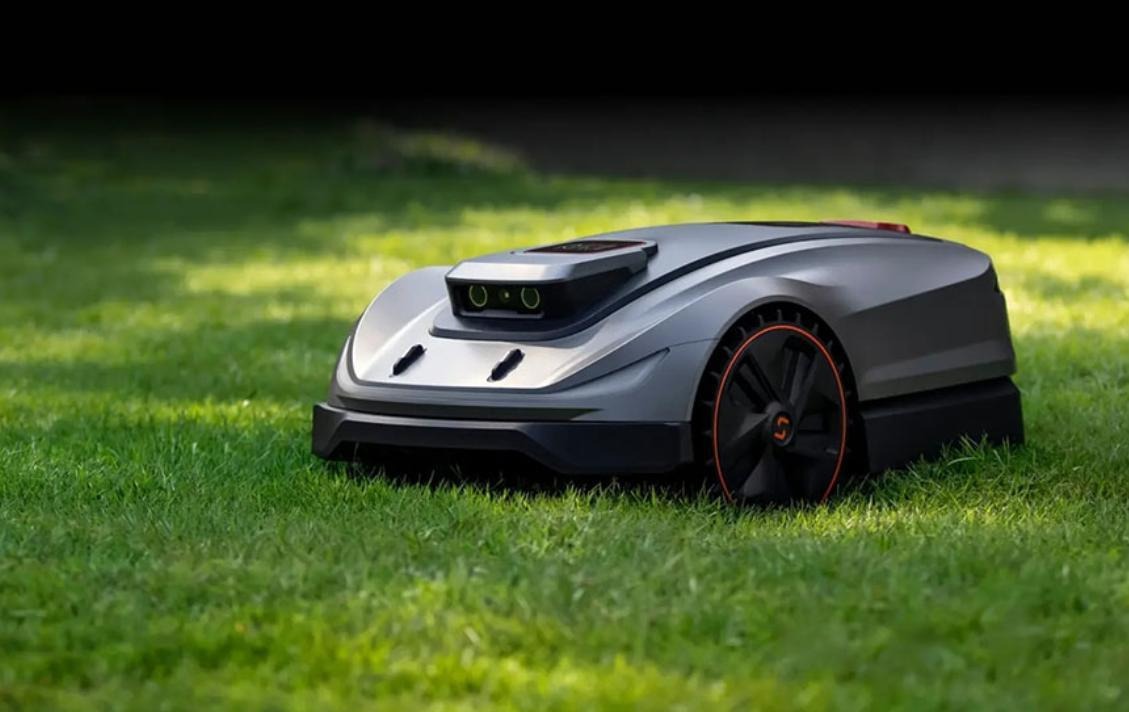
Robot lawn mowers rely on smart design to keep grass neat without constant human effort. One of the key features that makes them so effective is the use of mulching blades. These blades cut grass into very fine pieces, then drop the clippings back into the lawn instead of collecting them. This simple change in cutting method creates several powerful benefits. Homeowners gain a cleaner-looking lawn, fewer chores, and a more sustainable yard care routine. Understanding why mulching blades dominate robot mower designs helps buyers choose the right model and manage expectations about lawn appearance and long‑term turf health.
Why Do Robot Lawn Mowers Use Mulching Blades So Often?
How Mulching Blades Create Fine Grass Clippings for Better Results
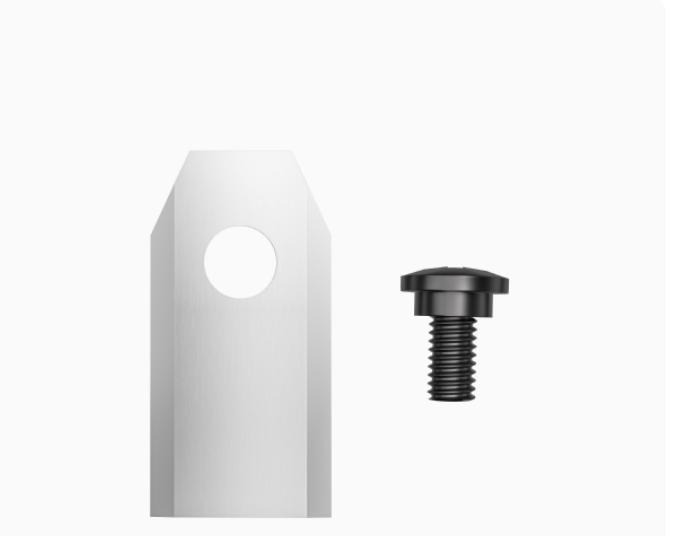
Mulching blades on robot lawn mowers use a specific shape and cutting edge to chop grass into tiny pieces. Instead of one clean slice, the blades keep the clippings inside the deck for a moment, where they are cut several times. This process produces fine fragments that fall deep into the grass canopy rather than sitting on top. The deck design and rotation speed support this repeated cutting action. As a result, the lawn looks tidy because the clippings almost disappear from view. Fine mulch breaks down faster than long clippings, which helps avoid clumping, thatch buildup, or messy windrows that you often see with traditional side discharge mowers or dull blades.
Supporting Continuous Mowing and Automated Lawn Maintenance
Robot lawn mowers usually follow a “little and often” cutting pattern, and mulching blades fit this system perfectly. The mower leaves its charging station, trims just a few millimeters of growth, and returns to recharge. Because the blades are designed to mulch, they handle frequent light cuts easily without overloading the motor or clogging the deck. This continuous schedule keeps grass at a consistent height and reduces stress on the turf. Small clippings distribute evenly with each pass, so the lawn never gets covered in heavy debris. The mower’s software, battery capacity, and cutting deck work together with mulching blades to deliver reliable, automated maintenance that needs minimal intervention from the homeowner.
Reducing Grass Collection and Lawn Care Workload
Mulching blades remove the need to collect, bag, and dispose of grass clippings, which is one of the main reasons they are so common in robot lawn mowers. The mower cuts and returns material directly to the soil, so there are no bags to empty or piles to haul away. This saves time and avoids reliance on green waste pickup or trips to a compost site. Robot mower manufacturers design their machines around this concept, eliminating large collection boxes and reducing overall machine weight. With less hardware to manage, setup and daily use become simpler. Homeowners gain a cleaner, more streamlined mowing experience and can focus on edging, trimming, or other landscape tasks instead of handling grass waste.
What Benefits Do Mulching Blades Provide for Lawn Health?
Returning Nutrients to the Soil Through Grass Recycling
Mulching blades help turn every mowing session into a natural recycling process. Grass blades contain valuable nutrients like nitrogen, potassium, and phosphorus. When robot mowers chop clippings into fine pieces and leave them in the turf, these nutrients gradually return to the soil. Microorganisms and earthworms break down the small fragments quickly, transforming them into organic matter that feeds the grass roots. This closed loop mirrors the way natural ecosystems work, where plant material rarely leaves the site. Instead of treating clippings as waste, mulching blades turn them into a steady nutrient source. Over time, this cycle supports a denser, greener lawn without relying as heavily on synthetic fertilizers or frequent soil amendments.
Improving Moisture Retention and Long-Term Turf Quality
Fine clippings from mulching blades form a light, even layer within the grass canopy. This layer helps shade the soil surface, which reduces evaporation and keeps moisture in the root zone longer. The improved moisture balance helps grass stay resilient during warm, dry spells. As the clippings break down, they also contribute organic matter that improves soil structure. Better structure means more pore space, which enhances water infiltration and root growth. Healthy roots reach deeper, access more water, and withstand stress from heat or heavy use. Over time, the lawn develops a thicker, more uniform appearance with fewer bare patches. The combination of mulching blades and regular robot mowing directly supports stable, long‑term turf quality.
Reducing Fertilizer Requirements and Yard Waste Production
By recycling nutrients on site, mulching blades can lower the amount of fertilizer a homeowner needs to apply each year. Many extension services note that returning clippings to the lawn can provide a significant portion of the turf’s nitrogen needs. When a robot mower mulches several times a week, it adds a steady, natural nutrient source that reduces the need for frequent chemical applications. At the same time, the absence of bagged clippings dramatically cuts yard waste volume. Fewer plastic bags, reduced hauling, and less processing at municipal facilities all lighten the environmental footprint of lawn care. Homeowners gain cost savings, simpler maintenance routines, and a more eco‑friendly approach without sacrificing lawn appearance or performance.
Conclusion
The robot mowers with mulching blades are popular because they suit the entire concept of automated, low‑effort lawn care. Their design creates fine clippings that vanish into the turf, support continuous mowing, and remove the need for collection systems. At the same time, mulching improves lawn health by recycling nutrients, helping soil hold moisture, and lowering fertilizer and waste output. When buyers choose a robot mower with effective mulching blades, they invest in more than convenience; they support a healthier, more sustainable yard. Understanding these advantages makes it easier to select settings, schedule mowing, and get the best results from robotic equipment.