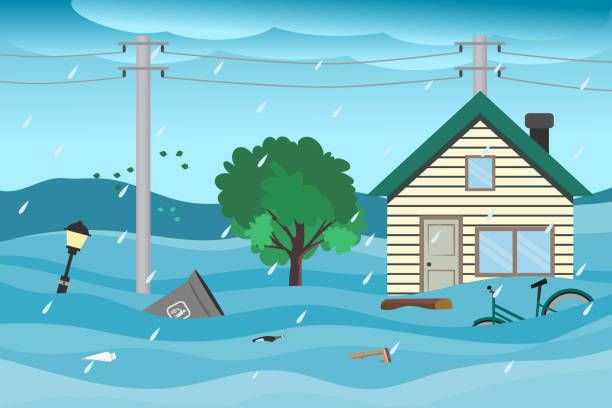
Water damage changes a property quickly. A sudden flood leaves homeowners confused about the right steps to take to protect their investment. This guide explains how to secure a house, manage the immediate aftermath, and handle the cleanup process. We will outline the essential actions required to restore your property safely and efficiently.
Initial Steps for Safety and Assessment
Before you start cleaning, you must secure the environment. Rushing into a wet building presents severe hazards to your health and physical safety.
Prioritizing Physical Safety
You must verify the structural safety of the building before walking through the doors. Turn off the main electrical power and gas supply from the outside to prevent electrocution and gas leaks. Wear protective gear, including waterproof boots, heavy gloves, and a face mask. Floodwater often carries harmful bacteria, raw sewage, and hidden sharp debris. If a widespread natural disaster caused the rising water, wait for official clearance from local authorities before returning to the neighborhood. Look out for sagging ceilings, cracked foundation walls, and shifting floors.
Documenting the Destruction
Insurance companies require detailed evidence of the physical losses. Take clear photographs and record videos of every affected room before you move any items or start the cleanup. Document the height of the water lines on the walls and capture close-up shots of damaged furniture, electronics, and appliances. Write down a list of ruined possessions. This visual and written record helps streamline your insurance claim and ensures you receive fair compensation for the damages.
The Cleanup Process
The clock starts ticking as soon as the water recedes. Standing water causes severe structural issues the longer it sits on your floors.
Removing Standing Water
You need to remove the bulk of the liquid quickly. Use buckets, wet vacuums, and heavy-duty pumps to extract the standing water. Remove wet carpets, soaked carpet pads, and ruined insulation immediately. These porous materials absorb contaminated water and rarely survive heavy soaking. Tear out drywall at least one foot above the highest water mark to remove saturated sections. Getting these damp materials out of the house prevents the moisture from spreading to unaffected areas.
Drying and Dehumidifying
Getting rid of the puddles is only the first phase. Moisture hides inside walls, under floorboards, and in ceiling cavities. Open all windows and doors to encourage fresh airflow if the weather permits. Set up high-powered industrial fans and commercial dehumidifiers to pull moisture from the air and structural framing. You need to keep this equipment running constantly. Thorough drying usually takes several days, and stopping too early leaves hidden dampness behind.
Addressing Long-Term Property Risks
Water damage leaves lasting effects if you do not handle the restoration properly. You must actively prevent secondary issues from destroying your home.
Mold Prevention and Removal
Mold spores multiply rapidly in damp indoor environments. You might notice fuzzy growth or a musty smell within a day or two after water exposure. Scrub solid surfaces like metal, glass, and solid wood with a mixture of hot water and strong detergent. For severe contamination, specialized antimicrobial treatments become necessary to sanitize the framework. Leaving hidden moisture behind guarantees future mold problems, which heavily threatens indoor air quality and respiratory health.
Checking Structural Integrity
Wood framing swells and warps when exposed to heavy moisture. As the wood dries, it can shrink and cause doors to stick or floors to buckle. Check all exposed beams and joists for signs of rot or serious warping. You may need to replace heavily warped structural elements to keep the house stable and secure.
When to Seek Professional Assistance
Major water incidents usually require specialized equipment and proper training. Knowing when to call experts saves time and prevents further property damage. If you face extensive destruction, hiring a team for flood damage restoration in Orem UT can help you properly extract water and sanitize the affected areas. Professionals possess advanced moisture detection tools, such as thermal imaging cameras, to verify that a structure is completely dry. They understand how to handle contaminated materials safely and follow proper disposal regulations.
Moving Forward with Confidence
Recovery takes patience and strict attention to detail. Once you complete the drying and sanitization phases, the reconstruction work can safely begin. Focus on taking methodical steps to secure the environment, document the losses, and dry the structure thoroughly. Following these practical guidelines ensures your home becomes safe, comfortable, and functional once again.
Beyond immediate cleanup, the long-term integrity of a structure depends on how thoroughly moisture is removed from the foundation and crawl spaces. Water that remains trapped behind drywall or under floorboards can lead to persistent mold issues and weakened support beams over time. Homeowners should verify specific service details provided by restoration professionals to ensure that the drying process covers every hidden pocket of moisture. Taking these proactive steps helps to prevent the secondary damage that often follows a major weather event. By focusing on deep structural drying rather than just surface-level aesthetics, you can better protect the health of your family and the future stability of your property.