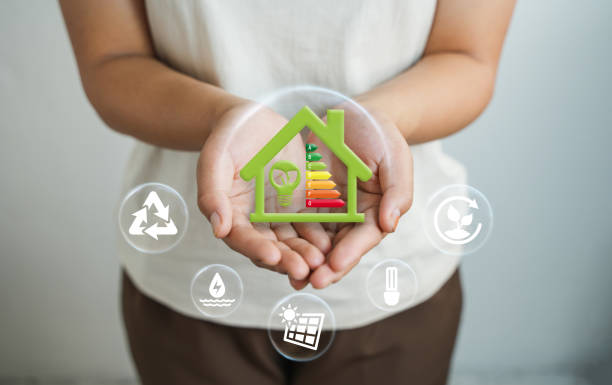
Energy bills keep climbing, but you don’t need a massive renovation to see savings. Small, strategic changes can lower your utility bills and reduce your environmental impact. From swapping lightbulbs to adjusting daily habits, making your home more energy efficient is easier than you think. Let’s explore how.
Quick Wins: Immediate Changes for Energy Savings
You can implement several highly effective changes this weekend. These quick wins require minimal investment but offer immediate reductions in your daily energy consumption.
Smart Thermostat Installation
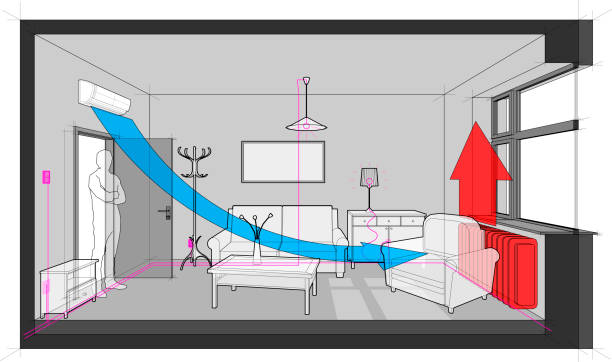
Heating and cooling account for a massive portion of residential energy use. A smart thermostat takes the guesswork out of climate control. These devices learn your daily schedule and adjust temperatures automatically. They lower the heating or cooling when you leave for work and bring the house back to a comfortable level just before you return. This simple automation prevents you from paying to climate-control an empty house.
LED Lighting Upgrade
Traditional incandescent bulbs waste a significant amount of energy by releasing it as heat. Swapping your old bulbs for Light Emitting Diode (LED) alternatives is one of the easiest energy-saving projects you can tackle. LEDs use a fraction of the electricity and last years longer than traditional bulbs. Walk through your home, identify the most frequently used fixtures, and replace those bulbs first to maximize your immediate savings.
Draft Sealing (Windows and Doors)
Air leaks force your HVAC system to work much harder than necessary. Drafty windows and doors allow perfectly conditioned air to escape outside. Inspect the perimeters of your exterior doors and window frames for noticeable drafts. Applying weatherstripping or a fresh bead of caulk seals these gaps effectively. This affordable fix keeps cold air out during winter and blocks the summer heat.
Appliance and Electronics Efficiency
Modern homes rely heavily on appliances and electronics. Optimizing how you use and purchase these devices dramatically impacts your monthly energy draw.
Energy Star Appliances
When an old appliance finally breaks down, pay close attention to its replacement. Devices bearing the Energy Star label meet strict efficiency guidelines set by the Environmental Protection Agency. An Energy Star refrigerator or washing machine consumes significantly less electricity and water than standard models. While they might carry a slightly higher upfront cost, the long-term utility savings easily justify the purchase.
Unplugging Energy Vampires
Many electronic devices continue to draw power even when turned off. Televisions, computers, and kitchen gadgets often sit in standby mode, quietly inflating your electric bill. These “energy vampires” are surprisingly common. Plug your entertainment centers and computer setups into smart power strips. You can turn off the entire strip with a single switch, completely cutting the power supply and eliminating standby drain.
Efficient Laundry and Dishwashing Habits
How you use your appliances is just as important as the appliances themselves. Running half-empty dishwashers or washing machines wastes water and electricity. Wait until you have a full load before starting a cycle. Additionally, washing your clothes in cold water eliminates the energy required to heat the water, which accounts for the vast majority of a washing machine’s energy use.
Water Heating and Usage
Water heating is another major contributor to high utility bills. A few minor adjustments to your plumbing fixtures and daily routines will yield excellent results.
Lowering Water Heater Temperature
Most manufacturers set water heaters to 140 degrees Fahrenheit by default. This temperature is unnecessarily high for most residential needs and actively wastes energy through standby heat loss. Lowering the thermostat on your water heater to 120 degrees provides perfectly hot water for showering and washing dishes while reducing your heating costs safely.
Low-Flow Fixtures
Traditional showerheads and faucets release water at high volumes. Installing low-flow showerheads and faucet aerators restricts the water flow without ruining the water pressure. By using fewer gallons of water per minute, you reduce your overall water bill. More importantly, you use less hot water, which directly decreases the workload on your water heater.
Shorter Showers
Sometimes the best solutions require no new equipment at all. Cutting your shower time by just a few minutes saves dozens of gallons of hot water each week. Challenge yourself to a five-minute shower. Over the course of a year, this minor behavioral shift results in a surprisingly large reduction in energy and water consumption.
Long-Term Investments for Maximum Impact
If you plan to stay in your home for many years, consider structural upgrades. These long-term investments require a larger initial budget but offer the highest potential for permanent energy reduction.
Insulation and Weatherization
A poorly insulated attic lets valuable heat escape right through the roof. Upgrading your home’s insulation creates a powerful thermal barrier. Properly insulated attics, walls, and basements keep your living spaces comfortable year-round. An energy audit from a local professional can identify exactly where your home lacks adequate insulation.
Window and Door Replacement
Single-pane windows offer almost no resistance to outside temperatures. If your home features older, inefficient windows, upgrading to double or triple-pane models is a wise investment. Modern energy-efficient windows in Logan, UT, feature specialized coatings and insulating gas between the panes. They block ultraviolet rays and prevent thermal transfer, keeping your interior temperatures incredibly stable.
Solar Panel Consideration
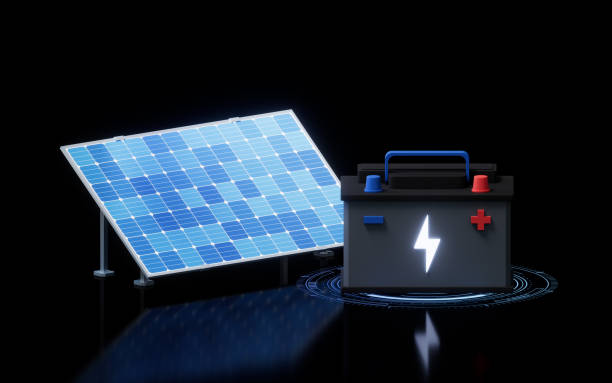
Generating your own clean electricity is the ultimate way to achieve energy efficiency. Solar panels capture sunlight and convert it into usable power for your home. For Ohio homeowners, reviewing ohio electricity rates before committing to a solar installation helps calculate the true savings potential and determine whether the investment is worth it. While the installation process requires significant capital, federal tax credits and state incentives often offset the price. Over time, solar panels can drastically reduce or even eliminate your reliance on the traditional power grid.
Behavioral Changes for Sustainable Savings
Technology and upgrades only go so far. Sustainable energy savings require mindful daily habits.
Adjusting Thermostat Settings Seasonally
Dress for the weather inside your home. In the winter, wear a warm sweater and keep the thermostat a few degrees lower than normal. In the summer, rely on ceiling fans and set the air conditioning a bit higher. Every degree you adjust your thermostat can save a measurable percentage on your heating and cooling costs.
Natural Lighting and Ventilation
Take advantage of the resources right outside your window. Open your blinds during the day to illuminate your workspace instead of flipping on overhead lights. During mild spring and autumn days, turn off the HVAC system entirely. Open windows on opposite sides of the house to create a natural cross-breeze that cools your home for free.
Regular Maintenance of Systems
Mechanical systems run efficiently only when properly maintained. Neglected HVAC units work twice as hard to push air through clogged filters. Replace your air filters every few months to ensure proper airflow. Schedule annual tune-ups for your furnace and air conditioner to catch small mechanical issues before they turn into expensive, energy-wasting problems.
Conclusion
Creating an energy-efficient home is a highly rewarding process. Every step you take reduces your carbon footprint and lowers your monthly living expenses. You now have a clear roadmap covering everything from changing a lightbulb to upgrading your insulation.
Maintaining high efficiency within the home often requires a combination of behavioral changes and technical upkeep. Beyond simple habits like turning off lights or adjusting the thermostat, ensuring that larger appliances operate at peak performance is vital for reducing long-term utility costs. When technical issues arise or seasonal cooling becomes inconsistent, finding reliable ac repair near me can prevent minor problems from turning into major energy drains. Regular inspections allow for the early detection of refrigerant leaks or failing components that force systems to work harder than necessary. By prioritizing these mechanical check-ups alongside passive strategies like improved insulation, homeowners can achieve a more sustainable and cost-effective living environment year-round.